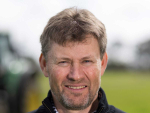
Mark Hooper Joins NZPork Board as Independent Director
Rural leader Mark Hooper has been appointed as an independent director to the NZPork board, bringing extensive farming, governance and advocacy experience to the role.
 increase font size
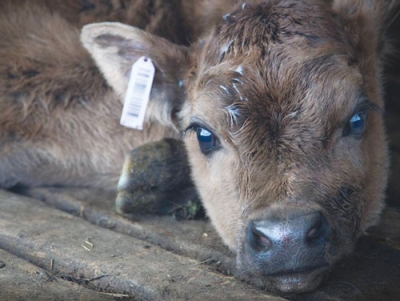 MPI and many heavyweight industry groups joined forces to educate their members and the public on what they are doing to protect these creatures.
It is great to see all those involved with bobby calves working cooperatively and positively to forestall a repeat of the terrible incident that aired on television showing mistreatment of these helpless animals.
MPI and many heavyweight industry groups joined forces to educate their members and the public on what they are doing to protect these creatures.
The workshops run by DairyNZ with the NZ Veterinary Association were excellent and no farmer can any longer offer the excuse 'we didn't know' what was expected. Also, MPI has done an equally good job of getting the message out to all stakeholders.
The setting up of the bobby calf action group was a sign of true leadership in the primary sector and the public needs to recognise that farmers and others in the sector care as much about the welfare of animals as the so-called animal rights groups.
Still it must be said that the animal rights people did a good job in 'outing' those who treated bobby calves cruelly. Animal rights group will by and large cease to exist when there is nothing for them to complain about. But maybe that is asking too much.
One has to admire the transparency of MPI which is saying to the public 'tell us if you see something you think is wrong'. This shows MPI is committed to getting the public to understand it will take seriously any mistreatment of animals and that it will crack down on people who break the law.
As MPI's Scott Gallacher points out, there is also an opportunity for the rural sector to educate the wider public on normal good farm management practices which can sometimes appear as cruel when it is not. An obvious example is the docking of sheep.
This whole saga has shown that farmers and everyone in the supply chain have no place to hide. Most Kiwis have a cellphone with a camera and within minutes any hint of malpractice can be widely circulated on social media.
The new rules taking effect on August 1 are the first of many coming in during the next year. It would be great if farmers and others saw fit to implement these changes ahead of time and show the public they don't just follow rules but lead the charge -- farming in ways that anticipate the expectations of consumers and the public.
Rural leader Mark Hooper has been appointed as an independent director to the NZPork board, bringing extensive farming, governance and advocacy experience to the role.
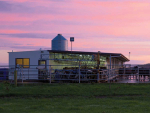
Climate, nature and animal wellbeing make up Fonterra's refreshed sustainability roadmap released last week.
B+LNZ's Wormwise veterinarian Mary Bowron has won the Best Sheep and Beef Vet of the Year Award in recognition of her outstanding contribution to New Zealand’s sheep and beef sector.
With lambing underway in many regions, Beef + Lamb New Zealand is encouraging farmers to put together a wellequipped lambing kit to help minimise lamb losses, particularly in bad weather.
Body Condition Score (BCS) is a critical element in managing the health and reproduction of the dairy herd.

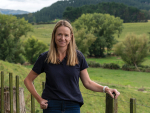
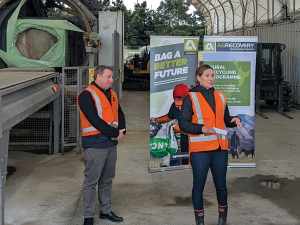
Environment Minister Nicola Grigg has announced details of a new rural plastics recycling scheme.
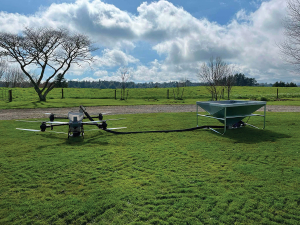
Agricultural drone operators say that a government decision to allow lower-risk drone work without certification won’t lower standards but drive innovation and efficiency.
OPINION: Warning bells are ringing in the arable sector.
Farmgate lamb prices are down by 8%, beef cattle by 4.5% and farm expenditure up by 4.2%.
Kiwifruit growers are watchful but remain optimistic as concerns around the potential effects of the El Niño weather pattern this season.
Almond hulls sourced from Australian orchards may have the potential to help New Zealand cows reduce emissions, boost milk yield and lower input costs.