New Reviva Forage Rape Wins Over Dryland Farmers in First Year
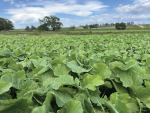
It's only just hit the market, but a new forage rape bred for dryland farms has already won the approval of lambs and young cattle both north and south.
 increase font size
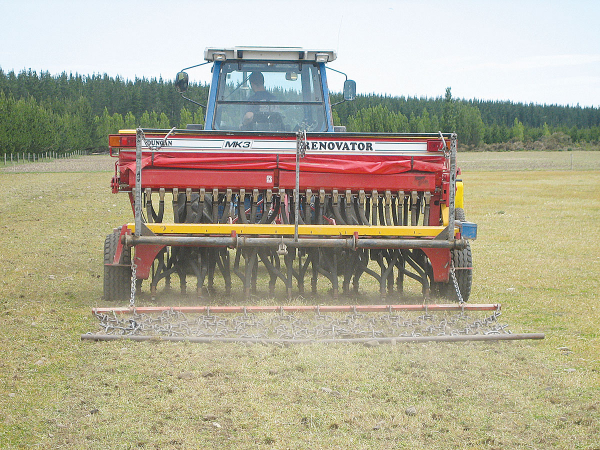 Undersow oats and/or Italian ryegrass now, and you can create a bit of a safety net for calving.
Contemplating what this year’s dry will mean for your feed supply in late winter and early spring?
Undersow oats and/or Italian ryegrass now, and you can create a bit of a safety net for calving if the effects of a tough season linger on through winter.
Our window for sowing is closing fast as temperatures drop. But it’s not too late to quickly stitch in next season’s crop paddocks with oats, Italian ryegrass, or both.
Results will depend on the weather, and this approach may not suit all farms.
The one thing we do know for certain, however, is that if the seed is not in the ground there’s no way it can grow!
If you don’t find yourself facing a feed pinch in late winter and early spring, extra cool-season growth from oats and Italian ryegrass will help restore depleted supplements.
If you do run short, that growth could be invaluable for calving. Hattrick oats and Tabu+ Italian ryegrass both have the potential to deliver a bulk of quality, cool season feed, just when you might really need it.
The beauty of oats in a situation like this is that they will establish and grow at lower temperatures than ryegrass. Likewise, Tabu+ will out-grow perennial ryegrass in cool conditions.
But neither of them contains anti-freeze! So if you are going to include this in your drought recovery plan, the sooner seed goes in the ground, the better.
Undersowing is fast, cost-effective and relatively easy. You can stitch in as little or as much as you want.
Doing so at this time of the year is not without risk. But leaving paddocks as they are in the hope they recover enough growth to get you through lambing and calving is risky, too.
You can hedge your bets by undersowing just a few paddocks.
• Sharon Morton is a pasture systems agronomist at Barenburg.
It's only just hit the market, but a new forage rape bred for dryland farms has already won the approval of lambs and young cattle both north and south.
Keeping cows happy and well fed at home this winter just got easier with the launch of a prolific new annual ryegrass bred to jump out of the ground even faster than its popular predecessor.
New industry trials confirm what matters most for perennial ryegrass seed this autumn: Cool, dry storage keeps endophyte viability above the 70% commercial threshold, according to pasture specialist Barenbrug.
Pasture specialist Graham Kerr claims that one hybrid ryegrass in New Zealand continues to dominate industry yield trials, as it has done every year since it was launched in 2021.
It may still be under the radar for many, but one new pasture has been making waves for three different farmers lately.


Farmgate lamb prices are down by 8%, beef cattle by 4.5% and farm expenditure up by 4.2%.
Kiwifruit growers are watchful but remain optimistic as concerns around the potential effects of the El Niño weather pattern this season.
Almond hulls sourced from Australian orchards may have the potential to help New Zealand cows reduce emissions, boost milk yield and lower input costs.
Striking a balance between meeting the needs of industry to speed up approval time for products but on the other hand ensuring that risks are properly assessed.
Surprised, humbled and quite thrilled. That’s the reaction of James Allen, one of the founding partners and now chief executive of AgFirst, on being made a life member of the Institute of Rural Professionals.