Why Now Is the Time to Plan Farm Succession, Findex Says
OPINION: Succession and long-term planning are perennial topics because it is perpetually sidelined on busy farms.
 increase font size

DAIRY FARMERS can now get their effluent system assessed by an independent, certified assessor.
The Dairy Effluent 'Warrant of Fitness' (WOF) programme, developed with the support of DairyNZ, is being launched at the Waikato Effluent Expo at Mystery Creek today (March 25).
DairyNZ's Sustainability team leader, Dr Theresa Wilson, says a consistent method was needed for assessing an effluent system to ensure it is fit for purpose for the farm.
"Many farmers have been upgrading their effluent system over the last few years. Getting it assessed by an independent expert to see if it meets the grade gives them peace of mind," says Theresa.
"A WOF assessor will look at the farm's complete effluent infrastructure. They will point out areas of risk and suggest practical actions a farmer can take to ensure their system is capable of being compliant 365 days a year."
The three to four hour assessment will also cover the farm's effluent consents and permitted rules, the storage capacity, nutrient loadings, soil risk, irrigator performance, off-pasture infrastructure and general health and safety requirements.
"Farmers that are planning an upgrade and are not sure which parts of the system need addressing will find it very useful talking to an independent expert," says Theresa.
"If you are buying or selling a farm, if you are a sharemilker moving onto a new property or part of a group owning a farm, it makes sense to call in a WOF assessor to understand how well the effluent system is performing."
While more professionals are undergoing training and certification in the coming months, farmers can already choose from a number of certified WOF assessors at www.effluentwof.co.nz.
OPINION: Succession and long-term planning are perennial topics because it is perpetually sidelined on busy farms.
Farms across the upper North Island are trialling different pasture mixes as part of a research programme that aims to build greater resilience into farming systems.
Election years are always a concerning time for farmers, according to DairyNZ chair Tracy Brown.
Matt Collier, Probiotic Revolution, says calves will drink a lot of milk once-a-day with their probiotic Calf Xtreme.


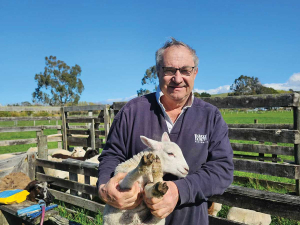
Decades piloting planes has ensured vet and farmer David Hayes is focused on safety. So, after a serious accident while welding on farm, he is sharing his experience so others can learn from it.
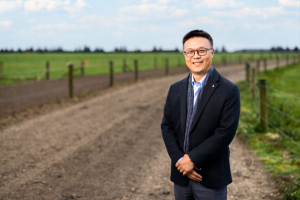
Canterbury milk processor, Synlait Milk has confirmed Leon Fung as its chief executive officer.
OPINION: Making it easier to collect rainwater and use it to grow crops and livestock is a no brainer.
As part of its Election 2026 coverage, Rural News asked political parties how they would help pull the arable sector out of the doldrums. Here's what they said:
Farmers are being encouraged to rethink how they manage waste on farm with the launch of ruralwastesorted.co.nz, a new website bringing together practical tips, real farmer experiences and resources.
New Zealand Winegrowers (NZW) is celebrating the India-New Zealand Free Trade Agreement (FTA) coming into force today, bringing New Zealand wine improved access to one of the world’s fastest-growing economies.