Boosting Crop Production by Spreading Effluent
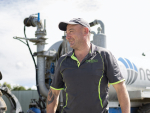
Tararua district farmer Jamie Harris milks around 400 cows using a split calving system on his farm, Crossdale Dairies.
 increase font size
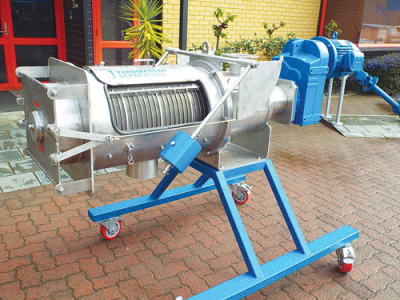 Yardmaster’s horizontal screw separator.
Reid and Harrison’s effluent expertise dates back at least 50 years, but it gained big traction in the early 1980s with the launch of its Yardmaster pump.
At the upcoming Effluent Expo, the Matamata company will show its latest horizontal screw separator; this embodies features of previous models but is the product of design work that began two years ago, says product specialist Shane Omundsen.
The aim was to address problems occurring in existing pumps -- high wear rates, lack of access and damage by foreign objects.
The new design addresses wear rates by cleverly ‘capping’ the auger flights of the unit with a 5mm urethane cover to protect the leading and trailing edges of the flights. The resultant ‘squeegee’ effect keeps the screen surface cleaner, meaning fewer blockages and, importantly, this has raised output by about 35% and extends component life by 300%.
Combining the capped auger design with a new split-screen layout is said to offer easier maintenance, while a clever removeable shim system allows adjustment as wear occurs.
Other detail changes include a new centralised bearing support in the driveline between the motor and the auger screw, said to reduce direct loading on the gearbox, and easily removeable covers that allow quick access to the separator’s key areas.
Reid & Harrison chief executive Keith Cooke says the latest version of the HSS “brings with it the ability to deal with up to 70 cu.m of effluent per hour”.
“Using mechanical separation for feed-pad or dairy shed effluent means less downtime unblocking irrigators or pivot systems, while the ‘dry’ material reduces fertiliser use or offers a means of soil conditioning.”
Capital costs of separation technology, compared to commonly used weeping wall systems of similar output, also show substantial savings, typically costing 30% less.
Also on show will be the company’s stirrer/agitators for ponds or storage tanks; these give maximum agitation to produce a homogenous effluent, using a large propeller running at a relatively low speed for maximum effect and lower power consumption.
Installed as an ‘over the wall’ or a submersible unit, the Yardmaster 7.5kw version drives through a reduction gearbox for a prop speed of about 300rpm, reckoned adequate for agitating a 2 million litre pond or tank.
Tararua district farmer Jamie Harris milks around 400 cows using a split calving system on his farm, Crossdale Dairies.
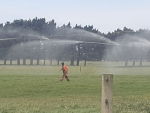
Water management is an integral component of sustainable farming practices, according to Watermetrics.
Two farmers and two farming companies were recently convicted and fined a total of $108,000 for environmental offending.
A Taupiri farming company has been convicted and fined $52,500 in the Hamilton District Court for the unlawful discharge of dairy effluent into the environment.
Founded in Germany as recently as 1977, today, the Fliegl Group employs more than 1100 workers, offering an expansive range of transport solutions, from their base in Bavaria.


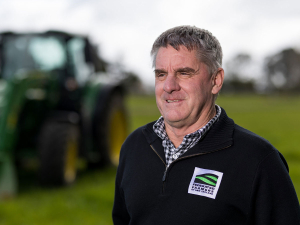
National’s pledge to introduce 19 new national standards shows the party is serious about getting Wellington out of farming, Federated Farmers says.
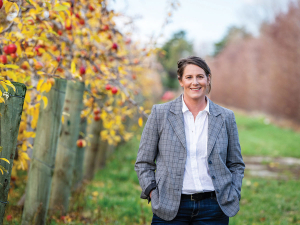
The National Party’s policies to make it easier to grow fresh vegetables, secure reliable water and energy and simplify farm planning are practical changes that will give growers the confidence to invest, according to Horticulture New Zealand (HortNZ).
Fonterra Co-operative Group chief financial officer Andrew Murray has resigned to take up a role outside the dairy giant.
A major move is about to get underway to improve the quality and viability of dairy beef and cattle in NZ.
Veterinarians say changes to the code of welfare for dairy cattle provides a positive foundation for improved cattle welfare across the country.
Today, 15 October, is the International Day of Rural Women, which recognises rural women’s contribution to farming, communities and the environment.