As calving season approaches, so does the increased risk of sprain and strain injuries for dairy farmers.
However, scientists and farmers have joined forces to find ways of avoiding these common injuries during spring, to help farmers keep farming when they are at their busiest.
DairyNZ’s three-year Reducing Sprains and Strains project set out to understand the common causes of injuries and work with farmers to develop practical solutions to reduce them on New Zealand dairy farms.
At the Fieldays this week, DairyNZ stand will be showcasing popular innovations from the Reducing Sprains and Strains project which were co-designed with farmers.
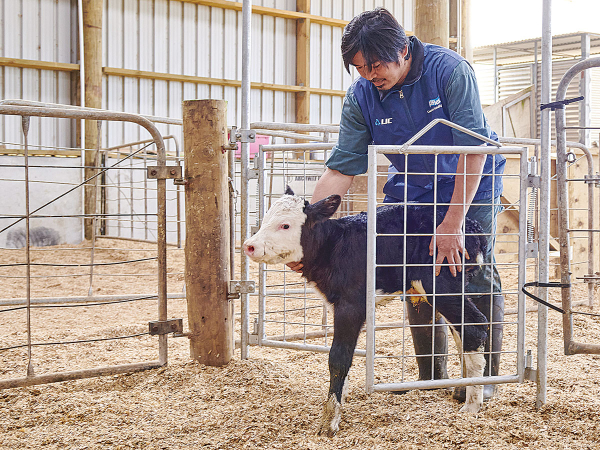
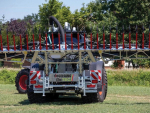
The Easy-Entry Calf Trailer Gate and Easy-Access Calf Pen Gate prototypes which are now being produced by Kea Trailers and Gallagher, respectively will be on display at the DairyNZ site PC44.
Dr Callum Eastwood, DairyNZ senior scientist, explains that the overall aim was to reduce lost time and productivity and support farmers’ wellbeing, especially during calving.
The physical nature of farming means that even when health and safety is prioritised, preventable sprains and strains can happen. In 2022 and 2023, there were about 1500 claims, totalling $5-6 million to ACC each year.
Most injuries were to the back, often from calfrelated activities, including lifting heavy objects like calves, buckets, or bags of meal.
“Research has shown that sprain and strain injuries make up around 40% of dairy farm injuries, with the highest risk period during the spring calving season,” says Eastwood.
“We were focused on working directly with farmers, every step of the way, to understand the issues, and together innovate, design, test and refine product designs that were easy to use and worked for current farming practices.
“Our workshops involved farm owners, employees, health and safety experts, engineers and other professionals with insights and experiences to help develop solutions that reduce risks around essential tasks.”
Following the initial designs, DairyNZ has worked with manufacturers to help develop and produce some of the successful solutions. This includes Kea Trailers who are now selling the popular Easy-Entry Calf Trailer Gate, and Gallagher who are taking expressions of interest for the Easy- Access Calf Pen Gate.
“The successful workshop concepts were built into physical prototypes with the manufacturers, and then tested and refined based on farmer feedback. It includes the calf trailer gate, which was intensively tested by farmers last calving season, then refined to ensure it is farm ready,” says Eastwood.
“New Zealand has many different farm types and so the solutions aren’t a one-size-fits-all. However, the project’s co-design approach, with farmer testing, feedback and refinement, meant the creation of tangible options for farmers to reduce these injuries on-farm.”
The project was funded by ACC’s Workplace Injury Prevention Grants programme, with co-investment from DairyNZ.