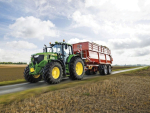
Correct effluent management can deliver savings on fertiliser costs, increased grass growth, while also ensuring environmental compliance regulations are met.
Offering new system designs or upgrades to existing systems, Numedic works with its dealers around the country to ensure effective installation, commissioning and maintenance.
An extensive product line includes a range of effluent pumps, hydrants, irrigators, and mixers, alongside the supply of effluent pipe, drag hoses and fittings, as well as water-saving Hydrofan nozzles for wash down hoses and backing gates.
The key to efficient effluent utilisation is an even spread, often with low application depths that are dictated by soil type or topography.
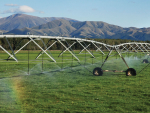
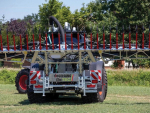
The Numedic ADCAM 750 LD travelling irrigator, trusted by farmers around the country for many years, offers seven different travel speeds, to deliver effluent depths as low as 4mm if required, while maintaining an even spread.
Smart design features include a boom supply bracket, robust steel moving parts and seals designed for handling high pressures, making for a cost-effective, easy to use and maintain travelling irrigator, that can run with lower pump pressure and less power.
Additionally, Numedic now offers a new shore-mounted, self-priming effluent pump to add to its range of NG vertical and horizontal pumps, offering the ability to handle solids up to 35mm diameter with a suction lift of up to 8 metres to the pump.
In the dairy shed and collecting yard, Hydrofan nozzles for washdown hoses and backing gates help reduce dairy effluent production by an average of 10 litres per cow, per day.
In real terms, this means a typical dairy farm milking 400 cows will reduce washdown water and effluent volume by around 1.2 million litres per year, for a 300-day milking season, resulting in significantly reduced storage and irrigation requirements.
www.numedic.co.nz