Kia Tasman ute launches in NZ
Stepping into the already crowded ute market, it’s important to bring your best game. Kia look to have done just that with the arrival of its first ute, the Tasman, at a recent event in Wellington.
 increase font size

KOREAN CAR maker Kia claims a 480% jump in the value of its brand in seven years because of its R&D and marketing spend.
The ‘100 Best Global Brands 2014’ list values Kia at US$5.4b, up from US$929m in 2007.
The company says the increase in brand value has outpaced the 11 other vehicle makers on the list, and the rate of growth over the past year alone is double the average for all companies in the top 100.
“An increase of that magnitude is outstanding,” says Todd McDonald, general manager of Kia Motors New Zealand.
“The appointment of Peter Schreyer to transform Kia into a design-led company was a brilliant strategy, and there has also been a great deal of investment in aligning Kia with high-profile sporting events and stars. Here in New Zealand we have been able to capitalise on that strategy and drive the profile of the brand, as well as sales, in this market.”
The ‘100 Best Global Brands’ rankings are compiled by US-based brand experts Interbrand. Kia entered the list in 2012 in 83rd place. It has risen to 74th place in the 2014 list.
Says Interbrand, “As a result of its continued branding efforts, expressed in the slogan ‘The Power to Surprise’, the Korean car maker has repositioned itself from an image of affordability, and is now targeting more design-conscious consumers.”
Another Interbrand study released in June showed Kia had risen from 37th to 35th place on the list of ‘50 Best Global Green Brands 2014’.
Stepping into the already crowded ute market, it’s important to bring your best game. Kia look to have done just that with the arrival of its first ute, the Tasman, at a recent event in Wellington.
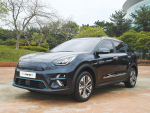
First came Kia Motors New Zealand’s launch of the Niro Hybrid and Plug-in Hybrid models in March, and now the company reports strong interest in the all-electric Niro EV recently unveiled in Korea.
As the top selling model for Kia Motors, the arrival of the 2016 Sportage SUV is timely considering New Zealand's current love affair with this type of vehicle.
Kia has scored a triple triumph in one of the oldest design competitions in the world.
THE UPDATED Kia Sportage is reported by the New Zealand distributor to have topped its class in a survey on owner satisfaction by influential JD Power automotive consultants, Germany.


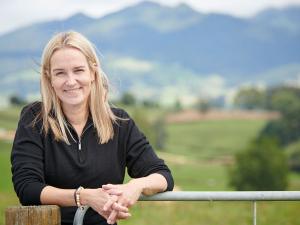
Minister of Conservation Hon Tama Potaka has appointed Susan O'Regan as Chair of the Queen Elizabeth II National Trust (QEII) for a three-year term.
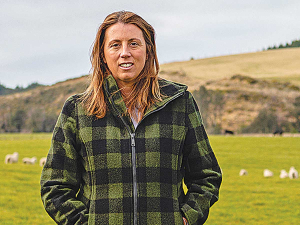
Red meat farmers are welcoming Labour’s plan to review the Emissions Trading Scheme and not to campaign on pricing agricultural emissions.
Where any worker in the kiwifruit industry is mistreated, we expect the authorities to take action.
Mid Canterbury Federated Farmers arable chair, Bevan Lill, said Beef + Lamb NZ data indicated that for the last six years, the average arable return on investment was about 0.8% while inflation ran about 4% - so the average arable farm was going backwards at about 3% a year.
Seed and grain companies share the concerns of arable farmers about the viability of their sector, says Seed and Grain New Zealand chief executive Dr Sarah Clark.
The New Zealand Institute of Forestry (NZIF) says unnecessary changes to New Zealand’s Emissions Trading Scheme (NZ ETS) will seriously erode investor confidence and result in significant reductions in forest planting rates.