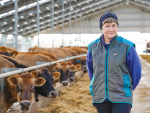
NZ Milk Price Could Hit $10/kgMS as Global Supply Eases
A 'tsunami' of milk from key exporting countries is winding down and this may be good news for New Zealand dairy farmers.
 increase font size
 RaboResearch dairy analyst Emma Higgins.
Raboresearch's Emma Higgins notes that this month's weak whole milk powder result was extremely interesting.
She says this was because for the second time in one month, Fonterra dropped the amount of dairy product available at coming GDT Events.
WMP volumes were scaled back by a significant 20,000 tonnes (spread across GDT auctions over the coming months). SMP was also pared back by 6,000 tonnes, while AMF offerings were lowered by 750 tonnes for GDT events over upcoming auctions.
Higgins says these changes now mean that the next few GDT Events will have the lowest volumes of WMP available for this time of the year since 2016 - at a time when historically both product on the GDT and in the milking sheds are ramping up.
Chinese buyers were still very much present at this GDT auction - but evidently wanting to pay lower prices, she notes.
"While this was the lowest absolute volume of product Chinese buyers have procured for this time of the year since 2017," Higgins says. "They still purchased two-thirds of the WMP available. SEA/Oceania buyers took home around one quarter of available WMP."
A 'tsunami' of milk from key exporting countries is winding down and this may be good news for New Zealand dairy farmers.

The avocado sector is entering the new season with a larger crop and positive market opportunities.
A team effort that is paying dividends for the wider New Zealand economy.
RaboResearch senior analyst Emma Higgins expects the 2026/27 dairy season to be another profitable one.
While global dairy commodity prices continue to climb in most key exporting countries, the second half of the year is expected to bring increased downside risks.


Federated Farmers says it welcomes Labour's commitment to reviewing the Sharemilking Agreements Act, calling on other major parties to do the same.
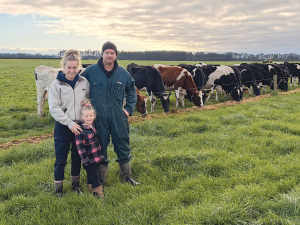
For Canterbury dairy farmers Sian Meijer and Rick Wobben, wearable technology has become one of their most valuable on-farm tools - helping manage 1850 cows across an expansive, high-performing dairy operation while improving efficiency, mating outcomes and day-to-day decision making.
Fonterra has unveiled its annual results for the 2026 financial year, posting $27 billion in revenue and close to $20 billion returned to New Zealand farmer owners and unit holders.
The first major update to the Dairy Cattle Code of Welfare in more than a decade has been released, marking what DairyNZ describes as an important step in ensuring animal welfare standards continue to evolve alongside scientific evidence and on-farm realities.
Ravensdown shareholders have elected Jane Montgomery and Kate Acland to the Ravensdown Board for three-year terms, following a closely contested director election.
Federated Farmers says new legislation replacing the Resource Management Act will cut red tape, unlock investment and help grow New Zealand's export-led economy, after the Planning Bill and Natural Environment Bill passed their third reading in Parliament yesterday.