Cameron Henderson Reappointed Unopposed as DairyNZ Deputy Chair
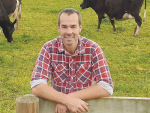
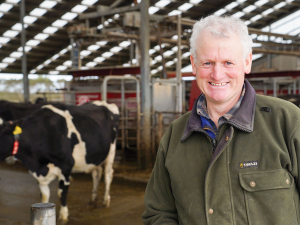
DairyNZ deputy chair Cameron Henderson has been re-appointed unopposed for another term.
 increase font size
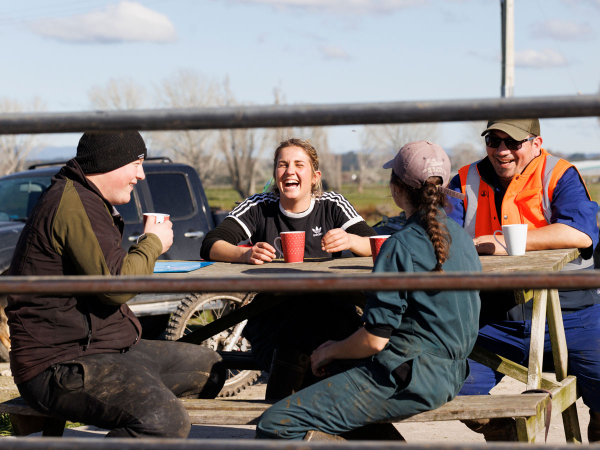 Offer your workers better pay and working conditions, so they want to work on that farm and not somewhere else.
Investing in your people and in your own leadership skills is the path to success for a farming business, says economist Shamubeel Eaqub.
Farmers need to ask what they can do to give their workers better skills, better pay, better working conditions, and a better lifestyle, so they want to work on that farm and not somewhere else.
Eaqub was speaking at the People Expo 2025 event in Ashburton, organised by the Dairy Women’s Network and DairyNZ.
Churn and recruitment can be expensive; retention is relatively cheaper, he says.
But farmers needed to concentrate a lot more on personal attributes, rather than pre-existing skills when hiring. Qualifications were necessary but not sufficient.
The most effective ways to upskill somebody is on-the-job training, followed by in-house training, followed by mentoring, and they’re well ahead of those professional training and formal training events,” Eaqub says.
“Don’t forget how much you can do in your own business, to upskill your people.
“You have enormous amount of control: you have an enormous amount of influence - you being a good leader, you being a good trainer, can deliver you more benefits than what can happen outside.”
Eaqub says it was about recruiting and upskilling for success but that only really happens in businesses with good leadership, good management and good culture.
“I know they sound like soft skills, but they are critical skills. Investing in yourself, in your own leadership, your own management skills, building culture within your organisation, is what makes things tick.”
He says it matters because our people are precious and are given an enormous amount of responsibility. In the dairy sector, the ratio of cows per workers and hectares per worker are growing.
He warned that one of the costs of dairy businesses getting bigger with fewer people is a changing pattern of work injuries. The number of injuries per worker is trending down, but mainly in minor injuries.
“The injuries that we do have on average are increasing, so they’ve gone from 25 days on average off from work to now being 50 days off from work.
“Health and safety is an outcome of not just good practises but good culture in your businesses. It always seems like it’s about compliance, but the best health and safety happens in businesses and farms that have good culture.”
Being responsive to the needs of your staff also meant not being afraid of investing in yourself.
“In fact, you are one of the most important critical ingredients for success in your business. Investing in your leadership and your culture is critical.”
Aimed at helping farmers develop their workforce for a more productive business, the event also heard from Canterbury dairy farmers Jeremy Duckmanton and husband-and-wife Kim and Will Grayling, and Waikato agribusiness consultant James Allen.
DairyNZ deputy chair Cameron Henderson has been re-appointed unopposed for another term.
Farms across the upper North Island are trialling different pasture mixes as part of a research programme that aims to build greater resilience into farming systems.
Election years are always a concerning time for farmers, according to DairyNZ chair Tracy Brown.
Most dairy regions around the country have had a pretty good season so far says Tracy Brown.


In Dacre, near Invercargill in New Zealand’s South Island, Bruce Dinnington is running a dairy operation unlike any other.

A free online platform aggregating governance vacancies across rural and regional New Zealand has been launched.
Environment Minister Nicola Grigg has announced details of a new rural plastics recycling scheme.
Agricultural drone operators say that a government decision to allow lower-risk drone work without certification won’t lower standards but drive innovation and efficiency.
OPINION: Warning bells are ringing in the arable sector.
Farmgate lamb prices are down by 8%, beef cattle by 4.5% and farm expenditure up by 4.2%.