Ah Tatua, You've Done It Again!
Waikato milk processor Tatua has again declared a record milk payout to farmer shareholders, leaving other processors in the dust.
 increase font size
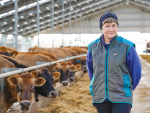
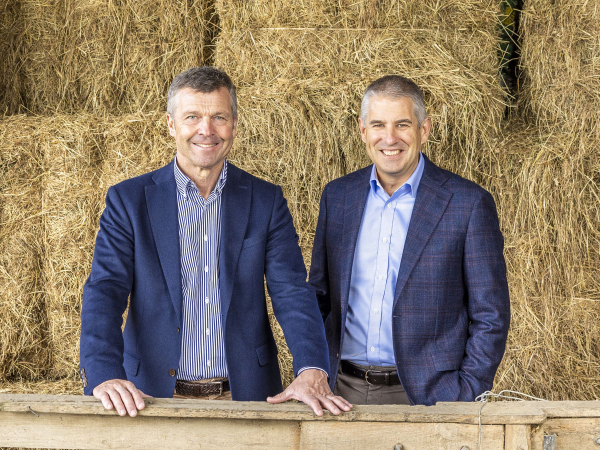 Tatua chair Stephen Allen (left) and chief executive Brendhan Greaney
Independent Waikato milk processor Tatua has set another new record for conventional farmgate milk price paid to New Zealand farmers.
The co-op has announced a record a cash payout of $12.30/kgMS for milk supplied last season. In the previous season, Tatua paid a then-record $10.50/kgMS to farmer shareholders. In comparison, Fonterra, Miraka and Synlait’s final milk price for last season was $10.16/kgMS. Two of these processors also paid either dividends or milk-quality payments to suppliers – Fonterra paying a full year dividend of 57/share and Miraka paying on average 17c/kgMS for milk quality. Tatua's conventional milk price is only beaten by Fonterra's organic milk price for last season of $12.35/kgMS. A fully shared backed organic milk supplier to Fonterra will receive a total of $12.92/kgMS.
Tatua recorded its best financial result last year, with group income reaching a record $579 million, translating to earnings of $13.85/kgMS. The co-op retained $1.55/kgMS for reinvestment.
In a joint statement Tatua chair Stephen Allen and chief executive Brendhan Greaney say they are pleased to report another year of strong financial performance and strategic investment, underpinned by the commitment of people, the support of shareholders and customers, and the strength of the co-operative model.
The bulk ingredient revenue was second highest to date, only trailing the 2022/23 financial year, when caseinate and WPC prices reached unprecedented heights, before quickly returning to more typical levels.
Revenue from our Tatua Foods, Nutritionals, and Flavours businesses was once again the highest ever, continuing the momentum of the last several years, and reflecting the co-op’s focus on developing specialised and premium products.
“We completed our single largest investment to date, increasing our cream based retail and foodservice product manufacturing capacity. The project was completed well below the $85 million budget, ahead of timeline, and with an exceptional health and safety record.
“This investment was a direct response to strong customer demand and will allow us to further prioritise value-add production over commodity products. The plant will be fully commissioned early in the new financial year, positioning us well for continued growth in our important global markets.”
Tatua’s year-end gearing (debt divided by debt plus equity) increased to 31% from the prior year 23%, reflecting the funding impact of a new plant.
In addition to the sound financial result, good progress was made in many areas across the business, making for another very productive year, they say.
“Tatua remains co-operative to the core, and it is through this shared commitment that we have achieved another rewarding result.
“We look forward with optimism to the year ahead and we remain incredibly appreciative of the support we have received from our customers, staff, and shareholders.”
Waikato milk processor Tatua has again declared a record milk payout to farmer shareholders, leaving other processors in the dust.

Tatua chair Stephen Allen says he leaves the co-op with a deep sense of gratitude for the people who have contributed to its success.
Tatua Co-operative Dairy Company has confirmed that chair and director Stephen Allen will retire at the co-operative's annual general meeting (AGM) on 3 December 2026, ending 30 years of service, including more than 20 years as Chair.
OPINION: Earlier this month, small Waikato milk processor Tatua reminded the country that it’s still number one when it comes to paying farmers for their milk.
Waikato-based milk processor Tatua has announced a final 2023-24 season payout of $10.50/kgMS for its farmer shareholders, again topping the payout stakes among NZ milk processors.


Farmer-owned fertiliser company, Ballance Agri Nutrients is welcoming National’s plan to negotiate security agreements with key supplier countries to protect New Zealand-bound products from export restrictions and greater supply chain certainty.

Carrfields has announced the appointment of Stu Hall to the newly created role of chief operating officer, Carrfields Ltd, reflecting the continued growth of their agribusinesses and the need to ensure the company has the leadership capacity and support in place as it pursues the emerging opportunities ahead.
New Zealand's role is not to compete with Indian growers, according to NZ Apples and Pears.
The potato industry is celebrating the success of two rising stars - James Blair, the 2026 Young Grower of the Year and runner-up and innovation award winner, Amber Davy.
Twenty-eight emerging leaders from across the horticulture sector spent two days last month learning valuable skills and connecting with industry experts.
There are five entrants in this year’s Young Horticulturist of the Year, competing in a series of technical, practical, business and leadership challenges.