Record final milk price for Miraka suppliers
Farmers supplying milk to Taupo-based processor Miraka are getting a 2024-25 season base milk price of $10.16/kgMS.
 increase font size
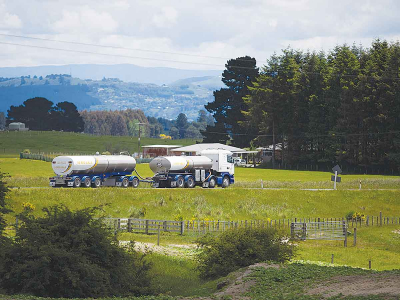 Miraka picks milk up from over 100 farms.
Māori-owned milk processor Miraka is now reporting carbon emissions for each of its 100-plus supplier farms.
The Taupo company claims this as a first for New Zealand.
The farm-specific reports give detailed understanding of each farm’s greenhouse gas emissions and compare results between farms.
Miraka’s general manager of milk supply, Grant Jackson, says many of its farmers know little about their carbon footprint.
“Measurement and reporting are the first steps in the journey. Once we’ve identified the biggest impacts on each farm we can start working with our farmers on reduction targets and strategies,” says Jackson.
Miraka’s emissions reports are generated using data from Overseer software developed in NZ to help farmers more effectively monitor and manage nutrient use. Miraka also provides freshwater nutrient reports and detailed environment management plans for its farmers.
“At Miraka we believe in the importance of kaitiakitanga -- about making decisions for the long term,” says Murray Hemi, the company’s kaitiaki and general manager of environmental leadership.
“As part of the Paris Agreement, NZ has made a global commitment to reduce greenhouse gas emissions,” he said.
“Emissions from the primary sector are significant, and we all have a role to play in addressing the growing threat of climate change.”
Although Miraka believes future innovation will play a big part in reducing agricultural emissions, the company recommends several things farmers can do now.
“Balancing feed to include lower roughage/higher sugar options can help reduce methane emissions, and optimising the application of nitrogen fertilisers also significantly reduces emissions.
“Improving pasture species and soil quality is another great step our farmers can take,” said Grant Jackson.
Miraka’s emissions reporting and environmental management plans put them at the forefront of sustainability in the dairy sector.
“Our goal is to have the lowest carbon footprint of any New Zealand dairy processor and we include our farm supply base in that footprint,” said Hemi.
“We are walking this path together. By investing in emissions reporting and environmental management plans we are helping our supplier community take control of the greenhouse gas challenge.
“Providing quality information to our farmer whānau enables us to learn, trial and explore together and find solutions,” says Hemi.
About Miraka
• Miraka is located 30km northwest of Taupo.
• It uses renewable geothermal energy to generate at least 300 million litres of premium milk products each year.
• The company is owned by a group of Māori trusts and sources milk from 100-plus farms in the central North Island. Te Ara Miraka (the Miraka Way) was devised in 2014 and supports a culture of excellence through the Miraka supply chain.
• Miraka’s Farming Excellence Programme assesses farms annually against five criteria: people, environment, prosperity, cows and milk.
• Scores contribute to each farm’s final milk price, with high scoring farms getting a bigger payout.
Farmers supplying milk to Taupo-based processor Miraka are getting a 2024-25 season base milk price of $10.16/kgMS.

Open Country Dairy has finalised a deal to acquire 100% of Miraka.
Milk processors are either matching or beating Fonterra's record $10/kgMS opening forecast milk price as the 2025-26 season gets underway.
Māori-owned milk processor Miraka is looking for a new chief executive following the resignation of Karl Gradon last week.
The chief executive of Taupo-based dairy company, Miraka – Karl Gradon - has stepped down from the role for personal and family reasons.



Entries opened on Monday, 5 October 2026 for the 2027 New Zealand Dairy Industry Awards (NZDIA), which organisers describe as the nation's biggest celebration of excellence in the dairy sector.
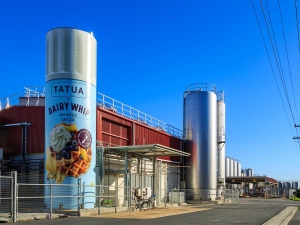
Waikato milk processor Tatua has again declared a record milk payout to farmer shareholders, leaving other processors in the dust.
A Labour-led Government won’t be bringing back the controversial freshwater rules of 2020.
National’s much-touted free trade deal with India featured in the Rural Issues Debate at Mystery Creek, Hamilton on Wednesday night.
New Zealand's 2026-27 freshwater fishing season has opened, with anglers encouraged to head to rivers and lakes over the coming days as conditions look favourable across much of the country.
Central Otago District Council (CODC) has voted against a plan to spread treated sewage sludge from Cromwell and Alexandra on farmland near Lauder, a decision Federated Farmers says reflects strong opposition from rural residents.