LIC Chief Says BVD Eradication in NZ Is Within Reach
A dairy industry leader believes eradicating the common and costly disease, Bovine Viral Diarrhoea (BVD) is within reach.
 increase font size
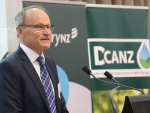
 LIC board chairman Murray King.
Farmer cooperative LIC has delivered a solid half-year result with revenue up 4% to $170 million.
LIC reported $60 million in earnings before interest, tax, depreciation and amortisation. The company’s net profit was up 10.4%, sitting at $33.4 million compared to $30.3 million in the same period last year.
Board chair Murray King says the cooperative is balancing profit with focused R&D and technology investment for the long term.
“We are investing in the areas where LIC has unique capability to maximise the value LIC’s customers generate from their livestock and their produce, providing technology and services to make farmers’ lives easier,” King says.
He says this includes investment in key areas like genetics and research and development.
King says the highlight of the result was farmers’ growing confidence in LIC’s genomic selection with around 1.4 million inseminations from genomic sires this year, up from 400,000 in 2017.
“Genomic science and genomic sequencing technology is generating markedly increased productivity and health traits for dairy cows and better returns for dairy farmers.
“LIC is now a world leader in pastoral dairy genomic science thanks to the foresight of LIC’s board and shareholders.”
He says the cooperative has invested $78 million into genomic science over the last 30 years to speed up genetic gain in dairy herds.
King says the half-year result is pleasing considering the disruption of the second Covid-19 lockdown and he paid tribute to the cooperative’s management and staff.
“Our people have had to overcome significant challenges to ensure business continuity and uninterrupted service for LIC’s 10,000 New Zealand customers and their dedication, resilience and effort is very much appreciated.”
A dairy industry leader believes eradicating the common and costly disease, Bovine Viral Diarrhoea (BVD) is within reach.

LIC shareholders have elected a new North Island representative to the co-operative's Board, along with five representatives to its Shareholder Reference Group (SRG), following the company's Annual Meeting held in Invercargill.
Farmers can spend less time on paperwork, thanks to a new data sharing agreement between DairyNZ’s DairyBase and LIC’s MINDA software.
An LIC bull, Tronnoco AR Sadio-ET S3F, bred by Tony and Keri O'Connor of Tronnoco Farming Co Ltd near Timaru, has won the 2026 Mahoe Trophy.
Bovine Viral Diarrhoea (BVD) is estimated to cost New Zealand's dairy and beef industries more than $150 million every year, yet many of the tools needed to control it are already well understood. After more than 25 years in veterinary practice, Andrew Weir, animal health technical specialist at LIC, has seen firsthand the impact BVD can have on herd performance. We asked him about the role of persistently infected (PI) animals and the practical steps farmers can take to reduce their risk.



OPINION: As election day looms, rural NZ seems to have pressed the pause button – held somewhat in limbo on an orange light.
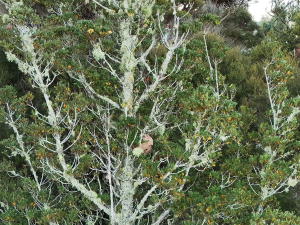
Will drones be the answer to tackling the problem of wasp and hornet nests high up in trees and other inaccessible places?
Canterbury milk processor Synlait has come through tough times and is now ready to scale up from a stable base, says its newly confirmed CEO Leon Fung.
NZPork says a ham made in New Zealand is not necessarily made from New Zealand pork.
Rural Contractors NZ says proposed changes to land transport rules for agricultural vehicles are a welcome response by the Government to out-of-date regulations which have seen members hit with huge fines.
With New Zealand’s greenhouse gas emissions in the spotlight, Auckland scientist Nathan Balasingham says there’s a better way to tackle the problem than shrinking cow numbers or fertiliser usage.