Southland farmers say forced rules enforcements around winter grazing is just a "box ticking exercise".
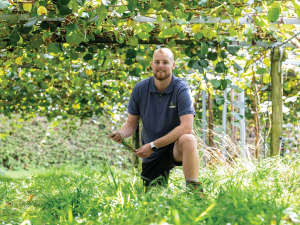
Dairy farmer Jason Herrick, Southland Federated Farmers winter grazing spokesperson and junior vice president, told Dairy News that most farmers in the region are well ahead of the regulations.
"Implementing the forced rules is still just a box ticking exercise that has absolutely no positive effects to outcomes because farmers are already doing it," Herrick says.
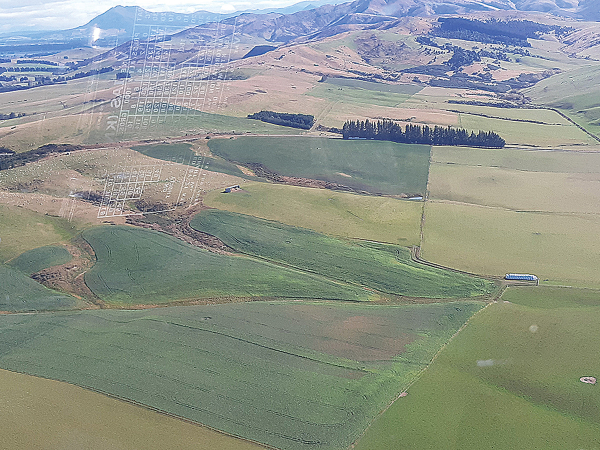
His comments came as Environment Southland announced its first aerial compliance inspection of the winter grazing season last month, identifying 21 potential sites of interest.
Herrick, who has been on previous aerial inspections, says he wasn't invited on the trip and puts this down to Federated Farmers taking that stance against inspections.
"We will however not defend poor practice but still encourage the regional council to inform industry bodies of problems as together we have a better chance of positive outcomes from issues found," he says.
Herrick says as far as he knows the council hasn't informed them of potential high-level breaches.
Environment Southland resource management manager Donna Ferguson says they are now following up on the sites, checking consents, and identifying if further action needed to be taken.
The flights were an opportunity to see if the good preparation observed during cultivation flights in late January was being followed by good practice, she says.
The flight was also the first aerial inspection since the National Environmental Standards for Freshwater rules around intensive winter grazing came into effect on May 1.
Staff looked for crops that had little or no buffering from waterways, were on steep slopes, and crops planted within critical source areas.
The sites identified for follow up were a mixture of crops being grazed on what appeared to be critical source areas, and some with slope issues.
Flights are planned for the start of each winter month and follow paths guided by known areas of concern and incidents reported, as well as locations noted during the cultivation flights.
"We will be undertaking further aerial and roadside monitoring and responding to complaints through the winter grazing period," says Ferguson.
"The roadside work is an extension this year to ensure we are checking more paddocks and reaching out to more farmers."
The council says anyone who sees something they're concerned about environmentally should get in touch with Environment Southland directly.
Farmers who are unable to undertake intensive winter grazing as a permitted activity, according to the new rules, are required to have either applied for a resource consent or deemed permitted activity. It's not too late to apply for a consent or deemed permitted activity if you need one.
Environment Southland consents manager Bruce Halligan says intensive winter grazing consents were granted for between five-to-eight-year terms. Deemed permitted activity notices will be valid until 1 November 2024.
Meanwhile the council says by June 20 there have been a total of 50 winter grazing applications received.