Fonterra Lifts Farmgate Milk Price
Good news for Fonterra farmers. The co-op has raised this season’s farmgate milk price mid-point by 25c to $9.75/kgMS.
 increase font size
 Pic; Hawke's Bay Civil Defence Emergency Management Group
A small number of farms in Hawke’s Bay have been forced to dry off cows because Fonterra tankers are unable to pick their milk.
Anne Douglas, group director of Fonterra-owned Farm Source told Rural News that damaged roads and bridges have cut off tanker access to these farms.
“Collections are largely back on track, however a small number of farms in Hawke’s Bay have had to dry off as our tankers cannot access them due to damage to roads and bridges,” says Douglas.
“We continue to helicopter our people in to cut-off areas to provide assistance.
“Our focus is on establishing lines of communication with our farmer shareholders in the hardest hit areas so that we can stay connected, understand what they need and help coordinate recovery efforts.”
Fonterra is working closely with local industry bodies and representatives to co-ordinate support on the ground where needed as they always do when adverse weather strikes.
Local Farm Source teams have been reaching out to farmers to check in on them, and reminding farmers that they can call its 24/7 Farmer Support Team to get any on-farm support they may need.
Farmers have also been encouraged to contact the Rural Support Trust if they feel like they’re struggling.
Good news for Fonterra farmers. The co-op has raised this season’s farmgate milk price mid-point by 25c to $9.75/kgMS.
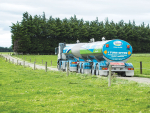
Fonterra board members are in line for a pay rise of around 3%.
Fonterra shareholders can begin voting on Tuesday 20 October in the 2026 Board of Directors’ election, a Co-operative Council election in one Ward, and seven Annual Meeting resolutions.
Fonterra Co-operative Group chief financial officer Andrew Murray has resigned to take up a role outside the dairy giant.
Four candidates have been confirmed for two director positions on Fonterra’s board.

OPINION: As election day looms, rural NZ seems to have pressed the pause button – held somewhat in limbo on an orange light.
Will drones be the answer to tackling the problem of wasp and hornet nests high up in trees and other inaccessible places?
Canterbury milk processor Synlait has come through tough times and is now ready to scale up from a stable base, says its newly confirmed CEO Leon Fung.
NZPork says a ham made in New Zealand is not necessarily made from New Zealand pork.
Rural Contractors NZ says proposed changes to land transport rules for agricultural vehicles are a welcome response by the Government to out-of-date regulations which have seen members hit with huge fines.
With New Zealand’s greenhouse gas emissions in the spotlight, Auckland scientist Nathan Balasingham says there’s a better way to tackle the problem than shrinking cow numbers or fertiliser usage.