
Editorial: Stay the Course
OPINION: The United States wine market has changed forever, and companies cannot use same old playbook, said Erin Kirschenmann at the New Zealand Wine 2026 Wine Business Forum in August.
 increase font size
 Phil Hogan.
Negotiations this week in Wellington are expected to further advance a free trade agreement (FTA) between New Zealand and the European Union (EU).
A large EU delegation and their NZ counterparts are working towards a hoped-for comprehensive and quality FTA by late 2019.
An inevitable sticking point will be agricultural tariff rate quotas (TRQs) and geographic indicators (GIs) especially in respect of dairy, e.g. a cheese name such as Gouda referring to its region of origin.
When the EU’s commissioner for agriculture and rural development, Phil Hogan, visited NZ in February he told Dairy News of good progress in the negotiations. He was optimistic that a quality deal would be struck.
Hogan described GIs as rural intellectual property in the EU and he noted they are well accepted in the NZ wine industry.
The FTA talks come as Brexit enters a hiatus: Britain’s departure is now scheduled for October 31 – Halloween, noted for tricks and treats.
Meanwhile, in London MPs and officials at the Houses of Parliament at Westminster are suffering a plague of mice running over desks and brazenly eating food on tables in MPs’ cafes.
All the while, say commentators, Theresa May must deal with a rat pack of ministers and MPs in House of Commons where Brexit is delayed.
Should Britain fail to leave the EU by Halloween and were the Brexit debate to spill over to 2020 it would be perhaps fitting: 2020 if the Chinese year of the rat.
OPINION: The United States wine market has changed forever, and companies cannot use same old playbook, said Erin Kirschenmann at the New Zealand Wine 2026 Wine Business Forum in August.

Chinese beef trade quotas and a looming suspension of Brazilian beef imports into the European Union are expected to reshape global beef trade flows over the remainder of 2026, with implications for New Zealand exporters, according to Rabobank's Q3 Global Beef Quarterly report.
The apple sector is working with the Government to unlock access to two key markets that could bring millions in revenue for apple growers.
China remains New Zealand’s biggest market, taking $23 billion of our exports, but it’s no longer a commodity story, says Prime Minister Christopher Luxon.
According to new research, industry leaders have ranked world-class biodiversity as the number one priority for the 16th year in a row.


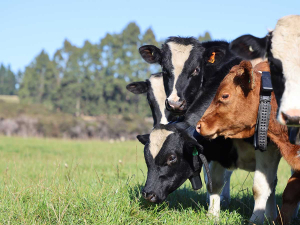
High country stations, mixed sheep and beef farms, Māori-owned farms, corporates and family operations are among the nine commercial farms taking part in the Livestock Innovation Farming Transformation programme, known as LIFT.
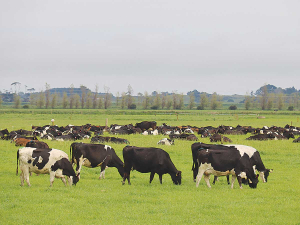
OPINION: New health and safety guidance unveiled by the Government recently provides farmers greater certainty about what is expected of them when managing risks on farm.
The National Animal Welfare Advisory Committee (NAWAC) is seeking public feedback on proposed changes to the Code of Welfare for Rodeos.
A New Zealand initiative supporting farmers to restore the health of grazing landscapes has received international backing through the Regenerative Fund for Nature, a global collaborative fund supporting regenerative agriculture and the communities that produce natural fibres for the fashion industry.
Combine premium New Zealand products, blend in a family ritual and what do you get? A world-class functional drink.
Entries are now open across eleven regions for the 2027 New Zealand Dairy Industry Awards (NZDIA).