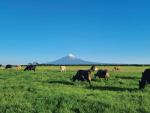
Dairy farmers are committed to protecting New Zealand’s environment and taking action on-farm to support that, says DairyNZ.
DairyNZ strategy and investment leader for environment, Dr David Burger says the dairy sector is on the journey to improve and protect water quality outcomes.
His comments came at the release of Our Freshwater 2020 report, highlighting New Zealand’s environmental challenges and where we can all play our part.
“Our farmers have been working toward this for over a decade. We are continuing to do more every year,” says Burger.
“The Freshwater 2020 report does draw some key themes together for urban, farming and forestry, and shows us that all land use has an impact on our freshwater.”
However, Burger said the report’s approach compares current water quality with native forest waterway condition, and DairyNZ believes it is therefore somewhat misleading.
“We know that all development has an impact on water quality but it is unrealistic to compare to native forest state. An estimated 95% of total river length in pastoral catchments exceeded one or more guideline values simply because they are being compared to very high native forest standard,” said Burger.
Interestingly, more than 50% of native waterways also failed to meet the same criteria. This sets the benchmark very high for catchments with modified land use.
Environment Minister David Parker said the report will help inform the work already underway, to protect and restore waterways and the life in them.
“New Zealanders want to swim, fish, gather mahinga kai and enjoy freshwater as our parents and grandparents did. We also need clean water to drink and irrigation to support a sustainable economy,” he said.
“But our water is suffering as a result of human activities, including the effects of climate change.”