New Dairy Holdings CEO Backs Self-Contained Model
Running a tight and self-contained ship is the key to the success of the country's largest dairy farmer, says Blair Robinson, the new man at the helm of Dairy Holdings.
 increase font size
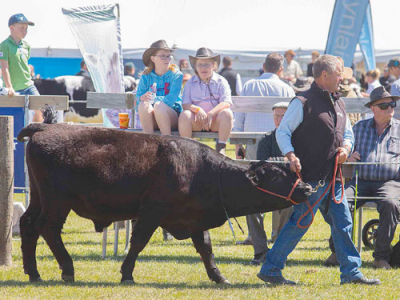 Visitors will see cattle but no calves at this year’s show.
New Zealand's biggest annual A&P show will go ahead with cattle classes on November 14 - 16 despite the threat of spreading Mycoplasma bovis.
But there will be no calf classes, and new measures will be taken to prevent infection spreading at the New Zealand Agricultural Show.
The Canterbury A&P Association (CAPA) has released a list of protocols to bolster biosecurity for the show. Junior classes will be on, but only with yearling animals, not calves.
Even the simple act of the judges draping the winners’ ribbons over winning cattle is to be banned. Instead, they will pass the ribbons to their handlers, and they will be banned from touching animals’ heads or muzzles.
Other measures in the show ring include a strict 2m space between parading animals and a one-way traffic system between the ring and the cattle pavilion.
In the pavilion, empty pens and plywood panels will create buffers and barriers between animals from different herds. There will be separate dairy and beef washing bays, each run on a roster system and rigorously disinfected.
Extra staff will be on hand to manage cattle, with strict requirements for proper paperwork and no late entries accepted.
The show vice-president, North Canterbury cattle breeder Chris Herbert, said there had been no known infections from nose-to-nose contact between neighbouring herds so the actual risk of transmission was extremely low.
The new protocols are to give exhibitors confidence to attend.
“I’ve had exhibitors ring me since that information went out and they’ve said ‘we weren’t planning on coming but if you’re going to put these protocols in place, actually it will be OK. We will come’.”
The banned calf classes usually attracted only 10 - 15 entries. Herbert said they were often hand-reared pets and lifestylers’ animals, and it was “just too hard” to be sure of their histories.
Beef cows with calves at foot will be allowed.
Herbert said he does not expect cattle numbers this year to “break any records” but Canterbury is usually NZ’s biggest cattle show and he expects that to hold good.
Entries are now open.
Running a tight and self-contained ship is the key to the success of the country's largest dairy farmer, says Blair Robinson, the new man at the helm of Dairy Holdings.
OPINION: It's no surprise that "world-class biosecurity" continues to dominate as the top priority for agribusiness leaders, holding the number one spot for the 16th consecutive year in KPMG's latest agribusiness report.
The country'a largest A&P Show - Canterbury - will be "back where it belongs" this year, running from the Wednesday through Friday of Christchurch's iconic Cup Week, after a two-year experiment of running Thursday to Saturday instead.
An unusual participant at the recent Royal A&P Show in Christchurch was a stand promoting a variety of European products, during an event that normally champions the homegrown.
Canterbury A&P Association (CAPA) show president Brent Chamberlain says a big development for this year is the Wool Zone, first introduced two years ago as a showplace for everything produced from wool, but now greatly enlarged with its own Wool Marquee and more than 30 trade sites.


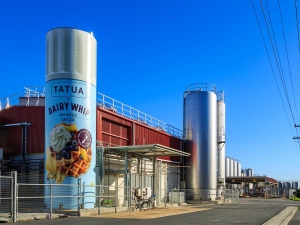
Waikato milk processor Tatua has again declared a record milk payout to farmer shareholders, leaving other processors in the dust.
A Labour-led Government won’t be bringing back the controversial freshwater rules of 2020.
National’s much-touted free trade deal with India featured in the Rural Issues Debate at Mystery Creek, Hamilton on Wednesday night.
New Zealand's 2026-27 freshwater fishing season has opened, with anglers encouraged to head to rivers and lakes over the coming days as conditions look favourable across much of the country.
Central Otago District Council (CODC) has voted against a plan to spread treated sewage sludge from Cromwell and Alexandra on farmland near Lauder, a decision Federated Farmers says reflects strong opposition from rural residents.
Pāmu has released its FY26 Integrated Annual Report, reporting a Net Operating Profit of $113 million, more than double the $49 million recorded in FY25.