Kiwifruit Growers Prepare for El Niño, Stay Optimistic
Kiwifruit growers are watchful but remain optimistic as concerns around the potential effects of the El Niño weather pattern this season.
 increase font size
 Prime Minister Jacinda Ardern.
Prime Minister Jacinda Ardern has got into the act over the drought by announcing a major new relief package in Northland.
Last week she visited Northland with ministers to announce a $12 million assistance package.
She says the rural sector across the North Island is currently doing it tough with significant and sustained droughts in many areas. The PM says water is running low across the board – for drinking supplies, the primary sector and firefighting storage – and help is need to get communities through this.
The $12 million package includes $10 million for what the government calls ‘immediate needs’ such as delivering water for consumption, sanitation, wastewater systems, stock welfare and horticulture. It will also include $421,000 to extend the reach of rural assistance payments – which can be used to buy water and $2 million to support farmers and growers in drought hit areas across the North Island, parts of the South Island and the Chatham Islands
It seems this latest package is not only designed to help farmers and horticulturalists but also to ensure that all rural communities have plentiful supplies of water which would be needed in the event of any outbreak of corona virus where personal hygiene would be a key factor.
Kiwifruit growers are watchful but remain optimistic as concerns around the potential effects of the El Niño weather pattern this season.
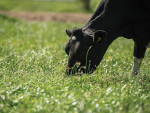
Farms across the upper North Island are trialling different pasture mixes as part of a research programme that aims to build greater resilience into farming systems.
With forecasters advising El Niño conditions will develop through winter and strengthen into spring and summer, Ballance Agri-Nutrients is encouraging farmers and growers to think ahead about nutrient planning and be prepared to work around challenging weather conditions.
OPINION: Since when did one and one make three? Who didn't smell an elephant-sized rat when our leaders decided to give $60 million to save the cement factory in Northland?
New Zealand needs to make sure that it continues to focus on its own food security, according to HortNZ board member and blueberry grower Dermott Malley.


Farmer-owned fertiliser company, Ballance Agri Nutrients is welcoming National’s plan to negotiate security agreements with key supplier countries to protect New Zealand-bound products from export restrictions and greater supply chain certainty.

Carrfields has announced the appointment of Stu Hall to the newly created role of chief operating officer, Carrfields Ltd, reflecting the continued growth of their agribusinesses and the need to ensure the company has the leadership capacity and support in place as it pursues the emerging opportunities ahead.
New Zealand's role is not to compete with Indian growers, according to NZ Apples and Pears.
The potato industry is celebrating the success of two rising stars - James Blair, the 2026 Young Grower of the Year and runner-up and innovation award winner, Amber Davy.
Twenty-eight emerging leaders from across the horticulture sector spent two days last month learning valuable skills and connecting with industry experts.
There are five entrants in this year’s Young Horticulturist of the Year, competing in a series of technical, practical, business and leadership challenges.