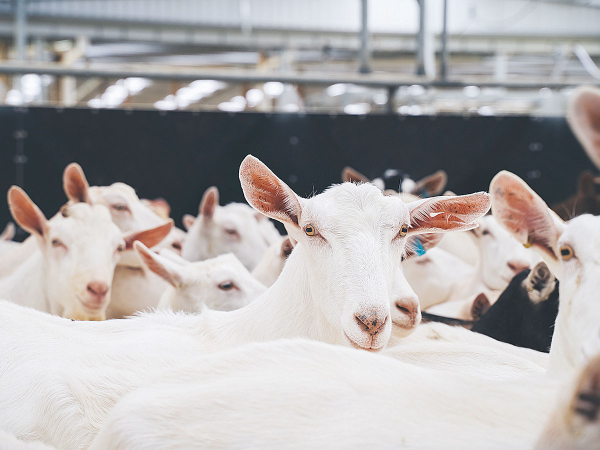
As high-performance ruminants, dairy goats need specialised nutrition to have them functioning at their best.
When it comes to trace mineral levels – specifically copper, zinc, selenium, iodine, and cobalt – goats have very specific requirements that differ from cattle and sheep. Managing these is crucial for optimum rumen performance and overall health.
Copper
Goats require high levels of copper and seriously suffer when they are copper deficient, but their storage ability for this mineral is poor. Through decades of experience in building mineral supplements, we’ve found dairy goats respond best to highly-efficient chelated forms of copper to meet their high demands. Chelated copper allows better utilisation of each body cell’s natural storage capacity without the increased risk of toxicity. We recommend chelated minerals as they bind to natural amino acids which allows for better absorption, translocation, and efficient storage throughout the body.
Zinc
Zinc is second-most important to goats (after copper) and follows the same principle. We ensure the efficient translocation of bioavailable zinc to each cell in the body by utilising chelated forms that work well with copper. Good levels of bioavailable zinc are integral to increasing immunity, reproductive performance, and hoof integrity.
Selenium
Goats also require high levels of selenium, due to their high metabolic rate, yet much of the selenium that is supplemented is poorly used in the rumen. Selenomethionine yeast delivers high levels of very bio-available selenium in a form that can be more efficiently utilised and stored by the body. Ensure any selenium supplement you use is in an efficient form.
Iodine
and metabolism, working alongside selenium to form essential thyroid hormones. Due to tight limits allowed in goats milk, iodine is often excluded from dairy goat mineral, or dosed at very low levels. Supplying more efficient forms of selenium can maximise synthesis of thyroid hormones while not exceeding iodine levels in the milk. As long as there is a minimum level of available iodine in the diet, good levels of selenium in the correct form ensures adequate levels of these hormones are available.
Cobalt
Cobalt is the final critical trace element for dairy goat performance. Cobalt aids in the formation of vitamin B12, which is vital to good rumen function. Goats have good tolerance to high levels of cobalt and extract it from feed efficiently. Due to this, we recommend higher levels of cobalt in mineral blends.
 |
|---|
|
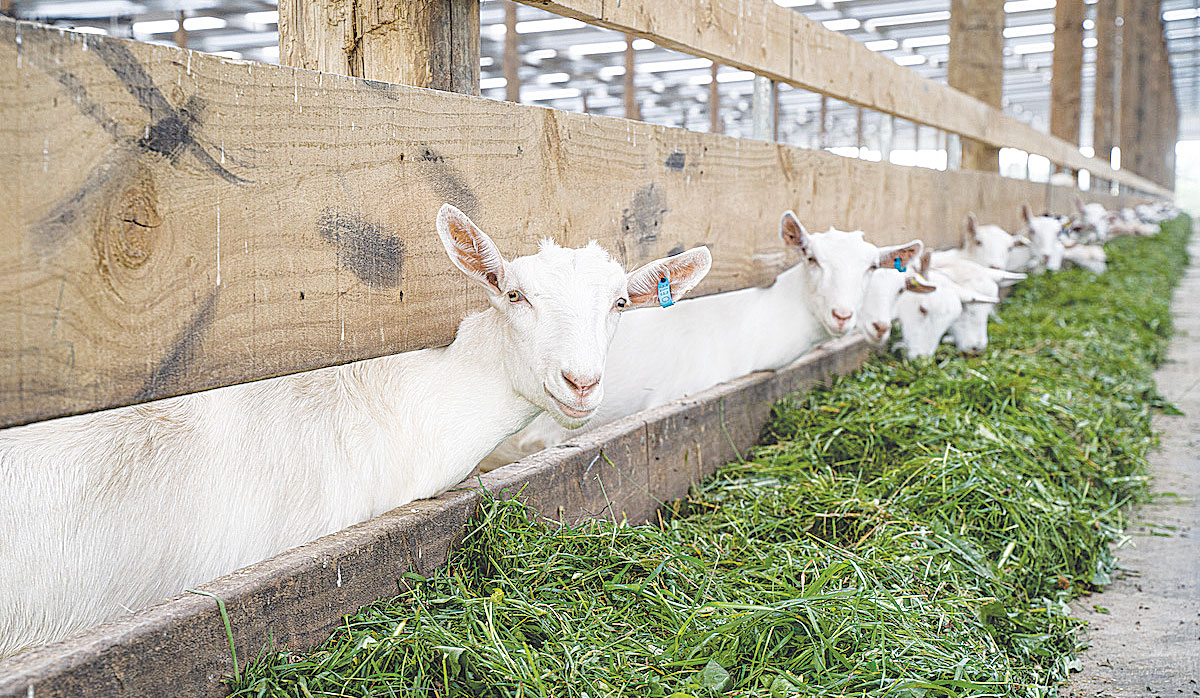
Dairy goats need specialised nutrition to have them functioning at their best.
|
When it comes to less critical trace elements (iron, manganese, chromium), goats also have high tolerance so it’s good practice to underpin mineral blends with these.
While there are some similarities between mineral requirements in goats, cattle, and sheep, due to their high-performance, goats have very specific trace element requirements. By understanding mineral levels in your feed, and investing in blood tests, you’ll ensure your herd is receiving accurate mineral supplementation for optimal performance.
Article supplied by Agvance Nutrition