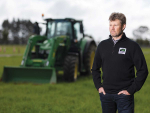
DairyBase and MINDA Link Up to Cut Farmer Paperwork
Farmers can spend less time on paperwork, thanks to a new data sharing agreement between DairyNZ’s DairyBase and LIC’s MINDA software.
 increase font size
 Jersey is the fastest growing breed internationally, says Jersey NZ.
Top quality Jersey cows sold at an average of $5364 at the recent Jersey Pride Elite Jersey sale in Wellington.
Sponsored by LIC, the Jersey Pride sale attracted 11 entries of elite registered Jersey females. Two averaged $9250, four in-calf heifers averaged $4150 and five yearling heifers averaged $4780. The top price cow sold for $10,000.
Jersey New Zealand president Alison Gibb says the sale of high-index, Jersey genetics supports the organisation’s national breeding objective and enhances the rate of genetic gain for the Jersey breed.
“Our call to all Jersey farmers is to make Jersey number one,” says Gibb.
“Clearly the value of top quality Jersey genetics is being realised despite low sales figures nationally through the autumn sales period.”
Gibbs says there are environmental and financial benefits to Jersey herds.
“Jersey is the fastest growing breed internationally, and is number one for feed efficiency, fertility, heat tolerance, milk quality and milk value. Jerseys produce 13% more milk solids than other breeds, and have the lowest environmental footprint.”
The vendors included well-known Jersey breeders Okura stud, Luke and Lyna Beehre, Hikurangi; Lynbrook Jerseys, Steve and Nina Ireland, Temuka; and Willand Jerseys, Gavin and Rosemary Fleming, Otorohanga.
Okura and Lynbrook Jerseys have supplied 250 bulls to sire proving programmes. Two sires from these studs, Okura Manhattan and Lynbrook Terrific, have offspring milking on almost every farm where Jersey genetics are milked.
“Many of these breeders have bred proven bulls for the NZ dairy industry, and several lots in the sale were carrying contract matings to major artificial insemination companies,” says Gibb.
First-time vendors Hamish and Charlotte O’Donnell from Baldrick Farms, who recently moved to their first farm in Rai Valley, Marlborough, have bought top Jerseys in recent years through elite cattle sales.
“The purchase of quality genetics gives us an opportunity to breed bulls for the industry and a chance to meet and share ideas and information with like-minded breeders and others in the genetic industry,” says Hamish O’Donnell.
The Jersey Pride sale also included the sale of straws of some top Jersey bulls, supplied by LIC. Semen sold for up to $82 per straw.
Other Jersey sales in autumn have included the Jersey Power sale in Otorohanga where Just Jerseys Ltd vendors Nigel and Julie Riddell averaged $2235 for 30 in-calf heifers with a top price of $4600; and the Waikato Valley Jersey sale where Ngatea vendors Stuart and Heather Fowlie (Fynreath Jerseys) averaged $5680 for five in-calf heifers and an overall sale average of $2232 for 27 lots.
Genetic value
Top sale price of $10,000 reached at the national Jersey Pride Elite Jersey sale in Wellington
Average sale price of Jersey reaches $5364
Value of Jersey genetics being realised despite low sales figures nationally through autumn.
Farmers can spend less time on paperwork, thanks to a new data sharing agreement between DairyNZ’s DairyBase and LIC’s MINDA software.
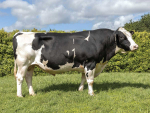
An LIC bull, Tronnoco AR Sadio-ET S3F, bred by Tony and Keri O'Connor of Tronnoco Farming Co Ltd near Timaru, has won the 2026 Mahoe Trophy.
Bovine Viral Diarrhoea (BVD) is estimated to cost New Zealand's dairy and beef industries more than $150 million every year, yet many of the tools needed to control it are already well understood. After more than 25 years in veterinary practice, Andrew Weir, animal health technical specialist at LIC, has seen firsthand the impact BVD can have on herd performance. We asked him about the role of persistently infected (PI) animals and the practical steps farmers can take to reduce their risk.
In the past, a bull could sit comfortably in a breeding team for several years with little change, but today, that’s no longer the case.
Paynes Titus Excelsior ET, an LIC bull bred by Brad Payne and Claire Brodie in the Waikato, has won the JT Thwaites Sire of the Season 2026 Award.


An Auckland gelato shop and an established New Zealand ice cream maker have both been named Supreme Champions at the NZ Ice Cream & Gelato Awards 2026.

As the cost-of-living crisis continues to put pressure on household grocery budgets, new figures show pork remains one of the most affordable fresh meat options for New Zealand families.
OPINION: In politics, credibility is and should be big. It must surely rank higher than charisma, which is quite trite and superficial. Yet, voters nowadays are often wooed and influenced by how someone looks or talks at a superficial level. TV plays a huge role in this.
Farmers can spend less time on paperwork, thanks to a new data sharing agreement between DairyNZ’s DairyBase and LIC’s MINDA software.
Kaikōura families affected by July's severe storm have found a practical solution to a problem that's kept some children away from regular schooling for weeks: a washed-out section of Inland Kaikōura Road, which has stopped the local school bus from running its usual route.
Rural New Zealand is welcoming the Government’s recent package of rural healthcare initiatives.