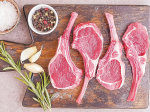
NZ Red Meat Exports Hit $867m in August, Up 23%
New Zealand's red meat and fifth-quarter exports reached $867 million in August, up 23% on the same month last year, as stronger returns lifted earnings across all major markets.
 increase font size
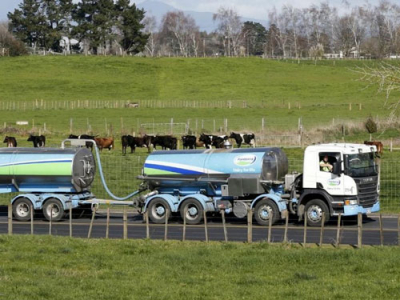 Dairy’s spending benefits the entire economy.
The dairy sector will earn New Zealand about $17.5 billion in export revenue this year, and likely more next year, says Professor Graeme Doole, DairyNZ principal economist.
This is more than earned by forestry, meat and wool combined, he says in a DairyNZ column.
“The entire economy benefits from dairy spending, directly, as in what dairy farmers and dairy companies buy from businesses NZ-wide and indirectly.
“Dairy significantly helps to fill Government’s tax coffers too, providing more money to pay for the essential services that help to improve people’s quality of life – education, hospitals, social security and welfare, police, etc.”
DairyNZ estimates that in the 2018-19 year dairy farmers paid $0.5 billion in taxes. For the 2019-20 year they will likely pay even more.
Dairy also pays regional government rates and other charges, helping to pay for local infrastructure and services. Farmers last year alone paid $200 million in rates.
The dairy sector employs 46,000 workers, equal to the entire population of Timaru, Canterbury’s second largest city, or of Upper Hutt.
On farm there are 34,000 full-time equivalent employees and 12,000 more in 35 dairy processing plants.
Dairy sector employment has grown faster (+3.1% per year) since 2000 than the rate of national job creation (+1.8% per year), boosting rural communities.
Every New Zealander is better off today thanks to the nation’s dairy cows and will continue to be better off in the future too, he says.
“The nutritional benefits of dairy to the human body as part of a balanced diet are factually documented. Dairy is also central to many of our culinary cultures, eg crumbly cheddar, smooth brie, ice cream, yoghurts and butter.”
Doole says milk helps improve lives, eg helping to pay for goods and services, and helping to reduce the price of others including imported items.
“And dairy farmers, who are innovators and responsive to the signals they receive, are improving their environmental practices, eg fencing and riparian planting to protect waterways, upgrading effluent systems, or working to reduce greenhouse gases.
“They are also playing a key role in communities as they work together to address issues of water quality.”
Regional stats
Northland: dairy, either farming or processing, generated $500 million in regional GDP and provided 2800 jobs.
Waikato: $2.2 billion in regional GDP and 13,400 jobs.
Bay of Plenty: $500m in regional GDP and 2800 jobs.
Taranaki: $950m in regional GDP and 5500 jobs.
Lower North Island: $700m in regional GDP and 4400 jobs.
West Coast-Tasman: $260m in regional GDP and 2100 jobs.
Marlborough-Canterbury: $1.5b in regional GDP and 8500 jobs.
Otago-Southland: $1.1b in regional GDP and 6100 jobs.
New Zealand's red meat and fifth-quarter exports reached $867 million in August, up 23% on the same month last year, as stronger returns lifted earnings across all major markets.

Meat Industry Association data, released alongside the Red Meat Sector conference in Wellington, shows export value climbing across the US, China, UK and Canada.
The first major update to the Dairy Cattle Code of Welfare in more than a decade has been released, marking what DairyNZ describes as an important step in ensuring animal welfare standards continue to evolve alongside scientific evidence and on-farm realities.
Have a plan in place for your cows and staff.
DairyNZ deputy chair Cameron Henderson has been re-appointed unopposed for another term.


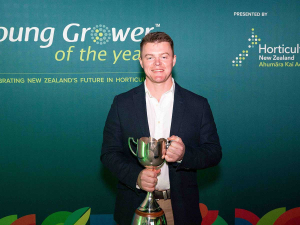
The potato industry is celebrating the success of two rising stars - James Blair, the 2026 Young Grower of the Year and runner-up and innovation award winner, Amber Davy.
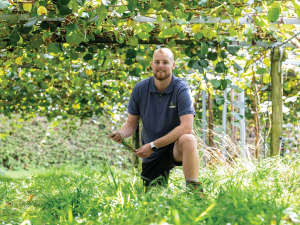
Twenty-eight emerging leaders from across the horticulture sector spent two days last month learning valuable skills and connecting with industry experts.
There are five entrants in this year’s Young Horticulturist of the Year, competing in a series of technical, practical, business and leadership challenges.
A seasoned horticulturist has been appointed to deliver the Apple Action Plan, a key initiative of the India-New Zealand Free Trade Agreement.
New Zealand's citrus growers have been told to compete on the value built into their fruit rather than the volume they grow.
Hawke's Bay fruit growers are being reminded of the need to prepare for whatever the El Niño weather system may bring in the coming months.