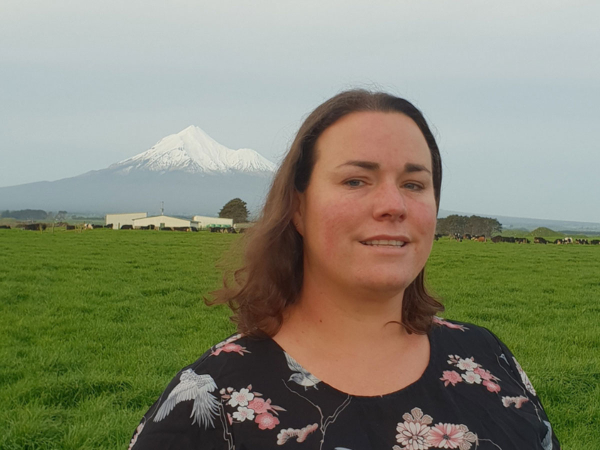
Dairy Women's Network (DWN) has announced that Taranaki dairy farmer Nicola Bryant will join its Trust Board as an Associate Trustee.
Based in Ōpunake, Taranaki, Bryant is also a community leader and advocate for women in dairying.
Alongside her husband, Bryant is a contract milker on a 485-cow farm, giving her strong grassroots insight into the day-to-day realities, challenges and opportunities faced by women and farming families across the dairy sector.
She is also a mum to two teenage daughters, further shaping her commitment to creating inclusive pathways and positive role models for the next generation.
Bryant has been actively involved with DWN for several years, holding a range of leadership roles including volunteer Regional Leader, Taranaki Hub Leader, Chair of the 2023 DWN Conference, and founder of the DWN Taranaki Business Group, which she continues to support through annual strategic planning.
“DWN has played a significant role in my personal and leadership development, and I am deeply aligned with its values of connection, inclusivity, and seizing opportunity,” she says.
Outside of her involvement with DWN, Bryant holds a variety of positions at a local governance and community leadership level, bringing extensive experience to this role. She is driven by a strong belief in giving back, building inclusive communities, and ensuring rural voices are represented at governance tables.
The Associate Trustee role supports emerging governance leaders to gain experience at a national board level, strengthening DWN’s future governance capability while maintaining strong connections to its regional membership.
“I applied for the DWN Associate Trustee role as the next step in my governance journey — moving from local and school-level governance into a national not-for-profit board environment," Bryant says.
"I see DWN as a safe and supportive space to grow my governance capability, learn from experienced trustees, and gain a deeper understanding of board-level strategy and decision-making. This role will help cement governance as part of my future leadership pathway.”
The DWN Trust Board HR Committee says they are pleased to welcome Bryant into the role, recognising her commitment to the organisation and the wider rural sector.
“Nicola is a long-standing DWN member who has contributed extensively across the Taranaki region and through her involvement in DWN conferences. She brings a strong connection to our regional network, alongside wide-ranging community governance experience that spans local hall committees, Playcentre and school boards, and leadership roles within Taranaki Catchment Communities organisation”.
“Deeply committed to the rural sector, Nicola is known for her passion, ability to connect people, and clear, effective communication. She has clear aspirations to progress her governance journey, and the Board looks forward to supporting Nicola as she takes this next step with DWN.”