Editorial: Drones Are Not Toys
OPINION: David Seymour and James Meager's plan to make it easier for farmers and orchardists to operate drones can best be described a 'courageous' move.
 increase font size
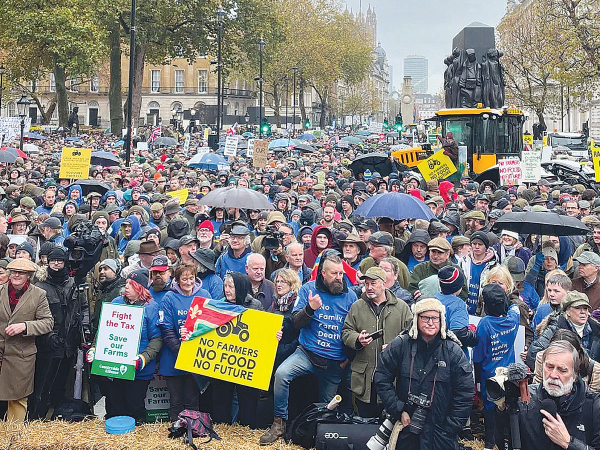 About 45000 UK farmers took to the streets in London last month.
On the same day that the protesters against David Seymour’s Treaty Principles Bill marched on Parliament in Wellington, on the other side of the world, UK farmers were also marching on London.
An estimated 45,000 converged on Whitehall, a short distance from Parliament and a stone’s throw from number 11 Downing Street, the home of the Chancellor of the Exchequer, who announced several measures in October’s budget that would have far-reaching implications on agriculture and the wider sphere of other family-owned businesses.
The headline news was the chancellor’s decision to reduce inheritance tax reliefs from April 2026, striking a huge blow to farmers’ confidence. Currently, farmers on their death can pass down their businesses to a spouse or children without any type of taxation, by claiming 100% Agricultural Property Relief (APR) and Business Property Relief (BPR).
From April 2026, APR and BPR will be capped at £1m, with values above this only benefitting from 50% relief, effectively delivering a 20% tax on any assets over £1m to the successor, which can be paid off over 10 years.
The Treasury has claimed around 500 farms a year will be affected, meaning 73% of farms would not have to pay the tax, based on HMRC figures from 2021-22 which showed there were 462 inherited farms valued above £1m that year.
The Country Land and Business Association (CLA), alongside a myriad of rural advisors has said the changes could impact 70,000 UK farms over time.
This estimate is made based on land being valued at an average cost of £10,000/ acre, meaning 100 acres will hit the £1m threshold, with the value of growing crops, seeds, fertilisers and plant and machinery quickly pushing these values towards £2m.
Speakers at the protest pointed out that while farmers were asset rich, they were largely cash poor, with current average profits of around £40,000 per year, with the likely solution of needing to sell land to meet the inheritance tax debt – a move that itself would result in a separate Capital Gains Tax.
Raising a huge round of applause, celebrity Jeremy Clarkson sent a message to government, saying, “For the sake of every farmer or landowner paralysed by a fog of despair that has been foisted on them, I beg the government to be big and accept that this measure was rushed through. It wasn’t thought out properly and is a huge mistake, so please admit this and back down.”
OPINION: David Seymour and James Meager's plan to make it easier for farmers and orchardists to operate drones can best be described a 'courageous' move.
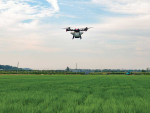
The agricultural aviation industry has reacted angrily to government plans to cut regulations to make it easier for farmers to buy drones and use them on their farms.
OPINION: It really is getting harder to lampoon government bureaucrats when they do such a good job of it themselves.
Anyone in the primary sector will know about the clowns covering the countryside in the red tape we all have to wade through.
Spare a thought then for media outfit Stuff who were threatened with fines up to $200,000 by a snivelling civil servant from the MoH for illustrating a quiz question with a photo of part of the cover of a 45-year-old copy Playboy.
As Stuff notes, “It wasn’t the Playboy cover which caused offence. No, it was the back page which… featured an advert for a cigarette brand”.
As Regulations Minister David Seymour notes, “The real scandal here is, well, no wonder we’ve got problems in healthcare when they’re doing the Stuff quiz during work time.”
Deputy Prime Minister and ACT Party leader David Seymour says advocacy group Rural Women New Zealand (RWNZ) has submitted against a controversial bill without consulting its members.
OPINION: This is my last article as Chief Executive, so I thought I’d take the opportunity to talk about three recurring issues which I have seen over the years, and which are almost certain to be issues in the future.


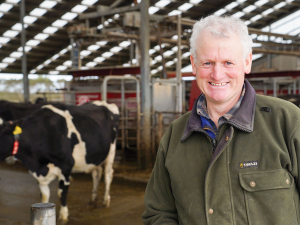
In Dacre, near Invercargill in New Zealand’s South Island, Bruce Dinnington is running a dairy operation unlike any other.

A free online platform aggregating governance vacancies across rural and regional New Zealand has been launched.
Environment Minister Nicola Grigg has announced details of a new rural plastics recycling scheme.
Agricultural drone operators say that a government decision to allow lower-risk drone work without certification won’t lower standards but drive innovation and efficiency.
OPINION: Warning bells are ringing in the arable sector.
Farmgate lamb prices are down by 8%, beef cattle by 4.5% and farm expenditure up by 4.2%.