
Mark Hooper Joins NZPork Board as Independent Director
Rural leader Mark Hooper has been appointed as an independent director to the NZPork board, bringing extensive farming, governance and advocacy experience to the role.
 increase font size
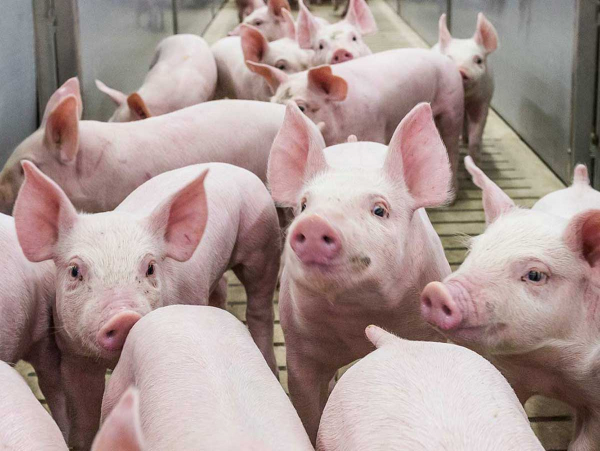 US farmers say without government assistance, pigs may soon need to be culled on farms as there will be no room for them in pork plants.
US pig farmers could soon be culling on-site due to a COVID-19 induced backup at meatpacking plants.
According to a report by the Food & Environment Reporting Network (FERN), as many as 2 million pigs may be backed up on US farms due to slowed production and closures of meatpacking plants.
The statistics are based on claims from three US economists during a teleconference sponsored by the National Pork Board.
David Miller of Decision Innovation Solutions, associate professor Lee Schulz of Iowa State University, and associate professor Scott Brown of the University of Missouri all agreed during the teleconference last Thursday that a large number of pigs will be backed up.
Schulz says the backlog could exceed 2.2 million heads, whereas Miller estimated a backlog of 1.2 million and around 2.1 heads having disappeared since March 1, either due to direct sales, custom butchering, or euthanasia by farmers.
Brown says his estimates would be closer to Miller, who also claimed that pork prices in Autumn could be 20% to 25% lower than the year prior due to the potential backlog.
FERN says that USA pig farmers are using the numbers as evidence they need government further government support. Without such support, they say pigs may need to be culled on farms as there will be no room for them in pork plants.
Rural leader Mark Hooper has been appointed as an independent director to the NZPork board, bringing extensive farming, governance and advocacy experience to the role.

As the cost-of-living crisis continues to put pressure on household grocery budgets, new figures show pork remains one of the most affordable fresh meat options for New Zealand families.
Pork farmers says a significant influx of imported pork is causing them concern.
Farmer-led charity Meat the Need has expanded its offerings, following a new partnership.
OPINION: Your old mate notes that regulations governing NZ's pig sector could end up seeing us running out of locally produced pork - like we are currently experiencing with eggs.


Farmer-owned fertiliser company, Ballance Agri Nutrients is welcoming National’s plan to negotiate security agreements with key supplier countries to protect New Zealand-bound products from export restrictions and greater supply chain certainty.
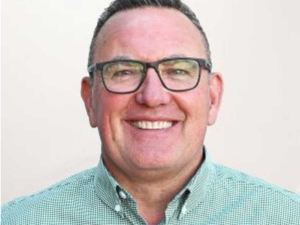
Carrfields has announced the appointment of Stu Hall to the newly created role of chief operating officer, Carrfields Ltd, reflecting the continued growth of their agribusinesses and the need to ensure the company has the leadership capacity and support in place as it pursues the emerging opportunities ahead.
New Zealand's role is not to compete with Indian growers, according to NZ Apples and Pears.
The potato industry is celebrating the success of two rising stars - James Blair, the 2026 Young Grower of the Year and runner-up and innovation award winner, Amber Davy.
Twenty-eight emerging leaders from across the horticulture sector spent two days last month learning valuable skills and connecting with industry experts.
There are five entrants in this year’s Young Horticulturist of the Year, competing in a series of technical, practical, business and leadership challenges.