
Pāmu Braces for $30m Hit From Rising Farm Costs
State farmer Pāmu is bracing for a $30 million hit from soaring farm input costs this financial year.
 increase font size
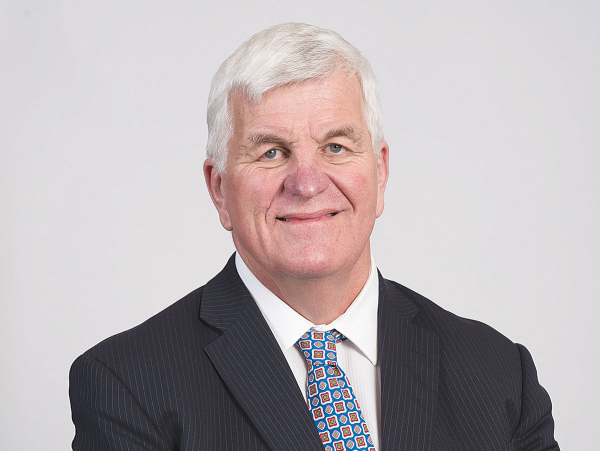 Pāmu chairman Warren Parker.
OPINION: We do not mind being held to account.
Indeed, Pāmu is required as a State Owned Enterprise (SOE) to perform comparably to private sector peers. For our livestock farms, we undertake comparative analyses with B+LNZ to assess how we are going. (For dairy we use DairyNZ and BakerAg).
While we have comparisons including Molesworth Station (181,192ha) we think, because of the unique requirements of this property, that a fairer comparison is with the remaining 59 sheep and beef cattle (and, for quite a few, also deer) farms.
Collectively, these comprise 154,883ha (115,612 effective hectares) and are spread from Northland to Southland. On a stock unit basis, the properties run 43% sheep, 49% cattle (including dairy beef) and 8% deer. Our land quality is poorer than the average B+LNZ comparator and this is reflected in a lower capital value and pasture grown (our pasture records and Farmax modelling indicate 30-35% less than the national average). Pāmu farms on average are larger (1,959ha vs 584ha) and more extensive. Our return on capital for these farms was 4.5%; gross revenue similar ($1,092 vs $1,138/eff ha) and farm working expenses lower ($528 vs $820/eff ha). Lambing percentage at 134% from 284,000 ewes was marginally better and lamb, rising two year cattle and deer carcass weights (18 vs 19; 312 vs 312; 56 vs 58kg, respectively) were on par with industry.
Comparative analyses are one indicator of performance but have limitations (every farm has different resources, climate and people). We therefore cross-check performance through farm systems modelling using Farmax and other tools to calculate a ‘bottom-up’ estimate of potential performance for every property, which we can then compare with actual results. These analyses show where each farm can improve and as such, all farms have priority areas to focus on to lift performance – for some it may be pasture management, for others it might be genetic improvement or a change in stock policy.
Our shareholding ministers and farming leaders expect Pāmu to explore new technologies, practices and farming systems that will address both current (e.g. water quality) and emerging challenges (e.g. the social license for bobby calves). That also means in some cases we take on more risk and may forgo returns relative to a ‘business as usual’ farming operation.
Hence our trialling of a bobby-free dairy system on an irrigated Canterbury farm, a compost barn for wintering dairy cows near Balclutha to reduce leaching and the impacts of winter grazing, and breeding of low methane sheep and hair sheep.
Running a farming operation in a Department of Conservation Recreation Reserve presents unique challenges, which Molesworth farm manager Jim Ward and his team handle with aplomb. We are taking steps to increase the sharing of information from our farm trials – such as through field days (three are planned this year), hosting farm discussion groups and media articles.
These visits confirm Pāmu is at the forefront of health & safety and making good progress on environmental stewardship. The pride our farm teams take in presenting and maintaining farm assets and livestock stands out. And, in areas where have a particular set of challenges to tackle, we actively seek the input of experts – farmers, consultants and veterinarians – to gain their insights on where we can improve or redesign our systems.
While it is ok to be satirical to make a point, it does not remove the obligation to do this in a fair and informed way.
We are more than happy to share our information and aspirations. Better still, much more value is to be gained for readers by sharing our experience and lessons with fellow farmers and vice versa, especially as we face into some gnarly issues over the coming decade.
State farmer Pāmu is bracing for a $30 million hit from soaring farm input costs this financial year.
Pāmu has released its FY26 Integrated Annual Report, reporting a Net Operating Profit of $113 million, more than double the $49 million recorded in FY25.
A partnership between state-owned enterprise Pāmu (Landcorp Farming Limited) and charity Meet the Need is putting more than quality New Zealand beef into food bank parcels this year.
State farmer Pamu has delivered its strongest operating result on record.
Beef+Lamb New Zealand and the Ag Emissions Centre have launched a new research project aimed at helping beef farmers reduce methane emissions without impacting productivity or profitability.


Farmer-owned fertiliser company, Ballance Agri Nutrients is welcoming National’s plan to negotiate security agreements with key supplier countries to protect New Zealand-bound products from export restrictions and greater supply chain certainty.

Carrfields has announced the appointment of Stu Hall to the newly created role of chief operating officer, Carrfields Ltd, reflecting the continued growth of their agribusinesses and the need to ensure the company has the leadership capacity and support in place as it pursues the emerging opportunities ahead.
New Zealand's role is not to compete with Indian growers, according to NZ Apples and Pears.
The potato industry is celebrating the success of two rising stars - James Blair, the 2026 Young Grower of the Year and runner-up and innovation award winner, Amber Davy.
Twenty-eight emerging leaders from across the horticulture sector spent two days last month learning valuable skills and connecting with industry experts.
There are five entrants in this year’s Young Horticulturist of the Year, competing in a series of technical, practical, business and leadership challenges.