Pāmu Silver Stabilizer Dairy Beef Genetics Open to Farmers
A major move is about to get underway to improve the quality and viability of dairy beef and cattle in NZ.
 increase font size

The Hound's not-so favourite government department, the state-run farmer formerly known as Landcorp, has proven that it is not just a poorly-performing entity but that it can’t even pick winners with the current Government policy.
Now that plans for a CGT and for water and fertiliser taxes have been ditched one has to question, yet again, why the state farmer wasted $14,000 of taxpayers’ money preparing a (late) submission to the Tax Working Group advocating for such taxes.
New chair Warren Parker claims that the decision to make its controversial TWG submission and put several anti-farming critics on the payroll was not ‘political’. However, your canine crusader reckons even blind Freddy can see these moves as political in an effort to curry favour with its current Government owner.
A major move is about to get underway to improve the quality and viability of dairy beef and cattle in NZ.
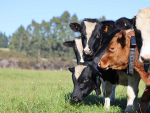
High country stations, mixed sheep and beef farms, Māori-owned farms, corporates and family operations are among the nine commercial farms taking part in the Livestock Innovation Farming Transformation programme, known as LIFT.
Pāmu has welcomed Taranaki student Paige Burston as its newest First Foundation Scholar, supporting her journey towards a career in agriculture and animal science.
State farmer Pāmu is bracing for a $30 million hit from soaring farm input costs this financial year.
Pāmu has released its FY26 Integrated Annual Report, reporting a Net Operating Profit of $113 million, more than double the $49 million recorded in FY25.


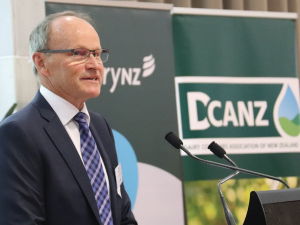
Dairy processors are ready to further boost New Zealand’s export earnings but want the incoming government to match their ambition with good policy.

Massey University is best placed to solve the “problems” facing the dairy industry, says vice chancellor, Pierre Venter.
Synlait's longest serving employee – a man who joined the Canterbury-based milk processor even before it began processing milk – is now its newest executive.
A dairy industry leader believes eradicating the common and costly disease, Bovine Viral Diarrhoea (BVD) is within reach.
A farmgate milk price of $10/kgMS this season is firming up as milk powder prices soar and the New Zealand dollar weakens.
Federated Farmers has welcomed new rural policies released by ACT, saying they align closely with its own election priorities.