
Common sense
OPINION: City and regional councils have been put on notice - stop using extreme climate forecasting scenarios that can drive unnecessary costs onto ratepayers.
 increase font size
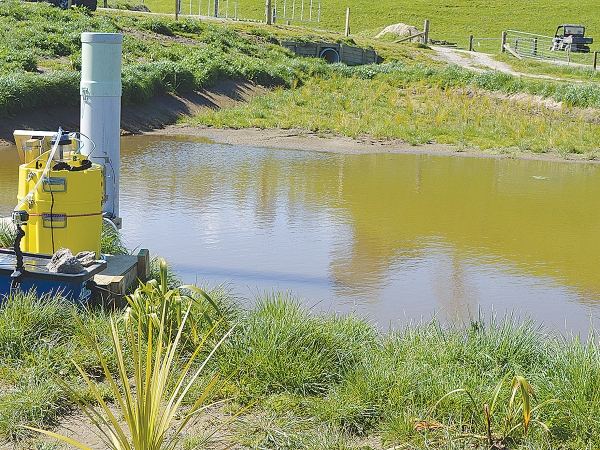 The Government decision to pause the rollout of freshwater farm plans until system improvements are finalised is the right call.
OPINION: Common sense has prevailed.
The Government decision to pause the rollout of freshwater farm plans until system improvements are finalised is the right call.
The decision will be welcomed by farmers and regional councils in areas where freshwater plans have started, including parts of Waikato, Southland, the West Coast, Otago, and Manawatu-Whanganui.
The Government's view is that freshwater farm plans support farmers in managing freshwater risks, but the current system is too costly and not fit-for-purpose. However, while the Government simplifies requirements and enables more local catchment-level solutions, regional councils had been legally bound under the RMA to get farmers to comply with freshwater plans.
This left many farmers in a state of limbo, wonderig if they should get a freshwater farm plan under the current rules or wait for changes. Councils have already started implementing freshwater farm plan rules, but it makes no sense to force farmers to comply when they know the rules are about to change.
Wellington heard the concerns of the sector and Cabinet has agreed to pause the rollout of freshwater farm plans while potential changes are considered. Minor amendments to the Resource Management Act (RMA) will enable the pause.
Halting the rollout means farmers can wait for the Government to release the new rules around freshwater farm plans without having regional councils breathing down their necks.
There's no doubt that the current rules around freshwater plans are incredibly frustrating, with a lot of unnecessary cost, complexity and duplication.
It could be improved to reduce cost and complexity, and better acknowledge the environmental progress farmers are making. New freshwater farm plans must acknowledge the good work many farmers are already doing.
The key thing for farmers is to make a start and keep up their efforts - their work will not be wasted. And that makes sense.
OPINION: City and regional councils have been put on notice - stop using extreme climate forecasting scenarios that can drive unnecessary costs onto ratepayers.

Certainty and a clear understanding of the needs of rural communities is a critical outcome in the series of government reforms that are taking place at present.
DairyNZ says Waikato farmers need certainty on Plan Change 1, but they say that certainty must be matched with practical, workable rules and a clear transition that doesn't get ahead of the new resource management system currently under review.
OPINION: Confidence in the wool sector is rebounding as prices hit levels not seen in more than 15 years.
OPINION: For thousands of Southland farmers, this week would have tipped them into the non-compliant category when it comes to following regional freshwater plan rules. But the Government has stepped in to give them the clarity they deserve.



Celebrating 50 years in the rural landscape of Central Canterbury and beyond, Ashburton-based Carrfields, has been the exemplar for all aspects of modern agriculture via its extensive range of services including supply, growing, agronomic advice and marketing.
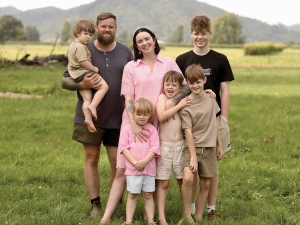
For Taupiri dairy farmers Logan and Sian Dawson, their involvement in the NZ Dairy Industry Awards has been a key catalyst in the growth of their business - the experience helping shape how they approach the farm ownership pathway they are pursuing today.
West Otago dairy farmer Luke Kane has been awarded the 2026 Rabobank Dr John Morris Business Development Prize.
OPINION: As the general election approaches, political parties are churning out policies in the hope of attracting more votes.
An LIC bull, Tronnoco AR Sadio-ET S3F, bred by Tony and Keri O'Connor of Tronnoco Farming Co Ltd near Timaru, has won the 2026 Mahoe Trophy.
With forecasters advising El Niño conditions will develop through winter and strengthen into spring and summer, Ballance Agri-Nutrients is encouraging farmers and growers to think ahead about nutrient planning and be prepared to work around challenging weather conditions.