Beef + Lamb NZ's Lambing Kit Checklist for a Tough Season
With lambing underway in many regions, Beef + Lamb New Zealand is encouraging farmers to put together a wellequipped lambing kit to help minimise lamb losses, particularly in bad weather.
 increase font size
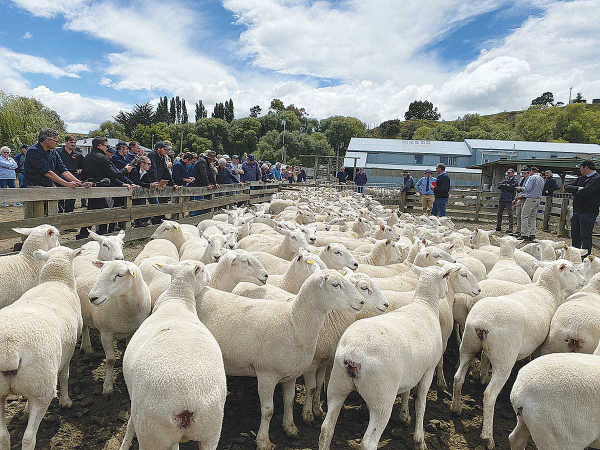 Mt Cass two-tooth Wiltshire ewes sold for $375 to a gallery of willing buyers.
A seemingly never-ending plunge in strong wool prices is proving to be a boon for a sheep breed that doesn’t produce the increasingly worthless fibre – the Wiltshire.
This growing attention on the breed was on display at North Canterbury-based Mt Cass Station’s recent inaugural Wiltshire ram and ewe sale held in January. The sale attracted a big crowd from around the country, with buyers competing strongly for the 3444 Wiltshires on offer, reflecting the growing interest in the low-input, shedding sheep.
This interest led to spirited bidding with the top rams selling for $4,000, while full-shedding two-tooth ewes made up to $375. The average price for Mt Cass’s full-shedding two-tooth ewes was $347.
Alongside the Mt Cass rams, lambs, two-tooth and annual draft ewes for sale, were two-tooth ewes from Harts Creek farm at Leeston and two-tooth ewes and lambs from Waitui Holdings in the Marlborough Sounds.
All lines sold strongly, with Mt Cass Wiltshire ewe lambs averaging $210 – with the top lines making $270. Annual draft ewes averaged $230. Meanwhile, all Mt Cass’s 48 rams sold – with an average price of $1,670.
Mt Cass shareholders say they could not be happier with the first sale of the station’s Wiltshire genetics, which is the culmination of 12 years’ work developing a sheep suitable for the needs of its organic regime.
“Stock is being trucked to new homes from Kerikeri in Northland to North Otago and we are delighted with three significant volume sales into the North Island.”
Mt Cass Station covers 1800ha of hill country near Waipara, where the Wiltshires, with their inherent internal parasite resistance and resilience, come into their own in the farm’s low-input, organic system. The sheep don’t need shearing, dagging or crutching and they don’t get flystrike, which results in significant savings in shearing, labour and agrichemical costs.
The station’s Wiltshire stud was started to meet a growing demand for the genetics, with its shareholders saying there has been growing interest in Wiltshires from farmers frustrated by on-going depressed wool prices and the work associated with wool production.
They claim the introduction of Wiltshire genetics and progression to a no-shear flock is quite rapid. Within a couple of generations crutching, dipping and flystrike is eliminated and within three to four generations so too is shearing.
While Wiltshires don’t produce wool, they are good meat producers. Mt Cass weans 135-145% off the hill country, with 40% of its lamb crop sold prime pre-Christmas at 16.5-17.5kg carcass weight.
With lambing underway in many regions, Beef + Lamb New Zealand is encouraging farmers to put together a wellequipped lambing kit to help minimise lamb losses, particularly in bad weather.
Will a stronger, more coordinated voice help rebuild confidence and improve returns in the wool sector?
The vineyards at Pyramid Farm in Marlborough’s Avon Valley have never been run of the mill, with plantings that follow the natural contours of the land, 250 metres above sea level.
Southland breeder Tim Gow attributes the success of his Shire breed of hair sheep to the expert guidance of his uncle, the late Dr Scott Dolling, who was a prominent Australian animal geneticist.
Sheep and cattle numbers continue to decline, and this year's drought hasn't helped, according to Beef + Lamb New Zealand (B+LNZ).


Entries opened on Monday, 5 October 2026 for the 2027 New Zealand Dairy Industry Awards (NZDIA), which organisers describe as the nation's biggest celebration of excellence in the dairy sector.
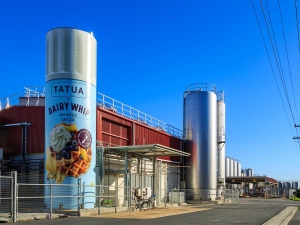
Waikato milk processor Tatua has again declared a record milk payout to farmer shareholders, leaving other processors in the dust.
A Labour-led Government won’t be bringing back the controversial freshwater rules of 2020.
National’s much-touted free trade deal with India featured in the Rural Issues Debate at Mystery Creek, Hamilton on Wednesday night.
New Zealand's 2026-27 freshwater fishing season has opened, with anglers encouraged to head to rivers and lakes over the coming days as conditions look favourable across much of the country.
Central Otago District Council (CODC) has voted against a plan to spread treated sewage sludge from Cromwell and Alexandra on farmland near Lauder, a decision Federated Farmers says reflects strong opposition from rural residents.