Can Drones Destroy Hornet Nests?
Will drones be the answer to tackling the problem of wasp and hornet nests high up in trees and other inaccessible places?
 increase font size
 This 2025-26 season looks to have been a good one in regard to velvetleaf management.
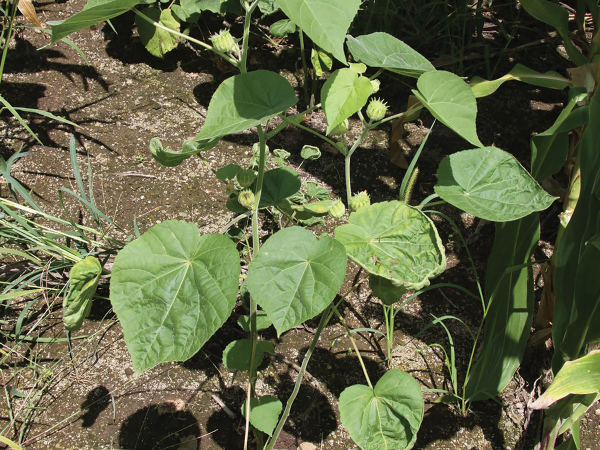
Classified as an unwanted organism under the Biosecurity Act, the invasive weed velvetleaf can be resistant to many herbicides, making it difficult to control, while statistics note it has the potential to reduce yields by up to 70%.
This 2025-26 season looks to have been a good one in regard to its management, with most properties with incursions in the North Island maintaining good control.
As has been reported earlier, while there has only been one new find of velvetleaf this season, it is a cautionary reminder that while velvetleaf incursions are being well managed, there is always a risk of a new incursion for anybody on any property.
It appears that the new incursion in the Auckland region has come from feed bought in from a property with a known incursion in the Waikato.
Sally Linton, North Island velvetleaf coordinator, says the message for everyone from this case is knowing where purchased feed is coming from and pre inspecting crops.
“Even if due diligence on crop purchase has been done, there is a need to remain vigilant for any unknown or unusual weeds where feed is stored and fed out.”
On a positive front, the owner of the Auckland property knew what velvetleaf was and called it in as soon as it was found.
As a result, with good ongoing management, it is likely they will be able to prevent the incursion becoming established on the property.
Linton points out that the “off” season for velvetleaf is a good time to review the biosecurity practices and procedures of your business, alongside that of your farmers and clients.
Good biosecurity is about managing risk and requires everyone to do their bit by having good biosecurity practice, not only to protect your business and property but the agricultural sector as a whole.
After 8 years in the role, Sally Linton has decided to step away from the role, with the news that the position will continue, no doubt driven by a new recruit who is passionate about working with farmers and stakeholders to ensure good biosecurity outcomes in the management of velvetleaf in the North Island.
“This has been an incredibly rewarding job and have thoroughly enjoyed working with farmers, landowners, and stakeholders in the agricultural sector.”
Individuals interested in the role need to be based in Auckland or the Waikato and should contact Darion Embling at Waikato Regional Council (This email address is being protected from spambots. You need JavaScript enabled to view it.).
Will drones be the answer to tackling the problem of wasp and hornet nests high up in trees and other inaccessible places?
Bovine Viral Diarrhoea (BVD) is sometimes viewed as a dairy industry issue, but the reality is that the disease can have serious consequences for beef breeding herds as well.
Election years are always a concerning time for farmers, according to DairyNZ chair Tracy Brown.
Testing confirms H5 bird flu in a single northern giant petrel, found dead on a remote Cape Palliser beach in the Wairarapa, says Dr Mary van Andel, the Ministry for Primary Industries' (MPI) Chief Veterinary Officer.
Bovine Viral Diarrhoea (BVD) is sometimes viewed as a dairy industry issue, but the reality is that the disease can have serious consequences for beef breeding herds as well.

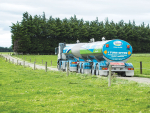
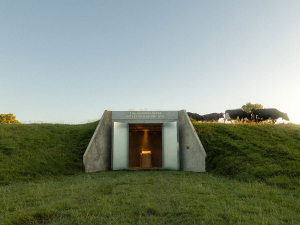
Halter has launched Mav, an AI farming assistant that lets dairy farmers ask questions about their herd and pasture and get answers drawn from the data the company’s collars already collect.

OPINION: At first glance it appears that Father Christmas has delivered the rural sector good tidings, with most pundits predicting the return of the centre-right coalition.
For 15 years, Glenda Rees has travelled from Gore to Awarua, often several times a week, to keep watch over one of the country’s rarest birds.
With some farmers opposing a government-industry partnership set up to develop methane reducing products, one NZ company claims that it already has a product on the market.
During the nesting season, from September to December, industrious starlings can quickly build nests in the darker areas behind tractor and vehicle, usually close to hot engines, typically resulting in localised damage or in some cases complete write-offs.
The meat processing industry is much more collegial than it was in the past and is now more focused on common goals.