Cameron Henderson Reappointed Unopposed as DairyNZ Deputy Chair
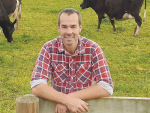
DairyNZ deputy chair Cameron Henderson has been re-appointed unopposed for another term.
 increase font size
 Sharon Morrell, DairyNZ.
With calving and lambing in full swing and many farmers in the North Island recovering from floods, snow storms and FE outbreaks, Peter Burke asks around the regions to see how things are panning out.
Expect a mild spring; that’s the message from MetService meteorologist Georgina Griffiths. After a cold, wet August the forecast is good for farmers nationwide, says Griffiths. Not every day will be warm, but she predicts September will have a “mild flavour” to it.
“At this time of the year you have quite a lot of variability in temperatures and it can still be changeable,” she told Rural News. “There may still be the odd frost as well.
“Overall, the North Island will be drier and the way the weather system is looking, it may be hard to get rain into some parts of the East Coast of the North Island.”
Griffiths also predicts Taranaki will be drier, and the West Coast of the South Island will be “spring like” but wet. With the rain that fell in August and the warmer temperatures coming this month, grass growth is likely to pick up.
Some dairy farmers in Bay of Plenty may pay a price for deviating from their spring rotation plan.
The leader of DairyNZ’s consulting officer team in the region, Sharon Morrell, says July was a particularly awful month with a lot of rain.
Some coastal areas had a lot of water lying in paddocks that wouldn’t drain away easily and they could not be grazed.
Morrell says some farmers, faced with the prospect of muddy paddocks caused by the rain, decided to move stock on a faster rotation, but this move is now proving to be a problem.
“Farmers who stuck to their spring rotation plan have ended up with an extra week of feed compared with those who opened up their paddocks too soon,” she told Rural News.
“We have been advising people that through the very wet period it’s more important to stay with the area allocation and deal with the pugging as a secondary issue.”
Morrell says while pugging can have long lasting effects on a farm, when looked in the totality of the whole farm system the impact is generally quite small, because the damage is confined to a small area rather than affecting the whole farm.
“But the impact on that area affected can be major. People can go around and address that with seed and perhaps rolling or whatever.
“As a result, they can make gains on the damaged areas. In the context of the farm, while it looks ugly it is not as detrimental to their system as ending up with low pasture covers as a result of going too fast, too early.”
Morrell says even though winter was wet it was mild and it wasn’t until very late in the piece that the ongoing wet started to decrease pasture growth rates.
This has now made it difficult for farmers to get good utilisation of the pasture.
DairyNZ deputy chair Cameron Henderson has been re-appointed unopposed for another term.
Farms across the upper North Island are trialling different pasture mixes as part of a research programme that aims to build greater resilience into farming systems.
Election years are always a concerning time for farmers, according to DairyNZ chair Tracy Brown.
Most dairy regions around the country have had a pretty good season so far says Tracy Brown.

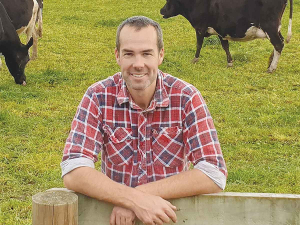
DairyNZ deputy chair Cameron Henderson has been re-appointed unopposed for another term.
Farms across the upper North Island are trialling different pasture mixes as part of a research programme that aims to build greater resilience into farming systems.
Election years are always a concerning time for farmers, according to DairyNZ chair Tracy Brown.
The Ballance Farm Environment Awards are coming to the West Coast of the South Island.
Most dairy regions around the country have had a pretty good season so far says Tracy Brown.