Mark Hooper Joins NZPork Board as Independent Director
Rural leader Mark Hooper has been appointed as an independent director to the NZPork board, bringing extensive farming, governance and advocacy experience to the role.
 increase font size
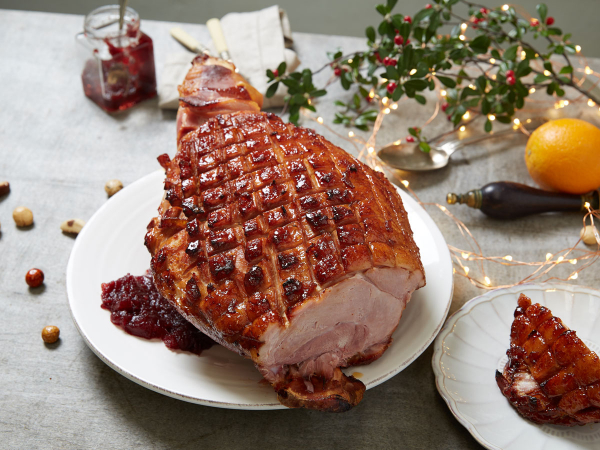 NZPork is asking Kiwis to make sure they are buying New Zealand pork over imported pork this Christmas.
As Kiwis order their Christmas ham, NZPork is encouraging them to check the pork is actually from New Zealand.
Almost 41,000 metric tonnes (MT) of pork has been imported from 31 countries so far during 2021. Most will be further processed in New Zealand, with some labelled as Kiwi-grown pork.
The product labels, which highlight the New Zealand manufacturer rather than the origin of the pork, feature “made in New Zealand” descriptions with “from local and imported ingredients”, sometimes in fine print.
“More than 60% of the pork products consumed in New Zealand is imported from overseas, and for cured products such as bacon and ham, it’s even higher at up to 85%,” says David Baines, chief executive of NZPork.
“A lot of imported pork is produced using practices illegal in New Zealand and no Kiwi wants to think about that over Christmas.
“That’s why when New Zealanders spot a ‘made in New Zealand with local and imported ingredients’ label, they need to know there’s a good chance it has been imported.”
New Zealand’s pork sector operates to high welfare standards compared to many other countries who have less rigorous welfare and environmental regimes, says Baines.
“Our pig farmers are also proud of the high health status of pigs in New Zealand. Our animals aren’t affected by diseases that are impacting pork industries in many other countries.
“New Zealand does not import live pigs but these viruses can enter the country on infected meat. While they are harmless to humans, they could be spread to pigs in the wild or other kinds of farms or lifestyle blocks through infected food scraps – and ultimately be transmitted to the commercial herd.”
So far during 2021, most pork imports have come from Germany, Poland, Australia, Canada, Spain, the United States and Finland.
Rural leader Mark Hooper has been appointed as an independent director to the NZPork board, bringing extensive farming, governance and advocacy experience to the role.

As the cost-of-living crisis continues to put pressure on household grocery budgets, new figures show pork remains one of the most affordable fresh meat options for New Zealand families.
New data shows that pork remains one of the more affordable meat options for New Zealand households at a time when grocery costs continue to put pressure on budgets.
NZPork says the Government needs to strengthen its proposed planning laws to ensure New Zealand's pig farmers can continue to produce pork.
Following a recent director election, Canterbury farmer Sean Molloy has been appointed to the New Zealand Pork Industry Board.

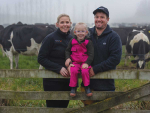
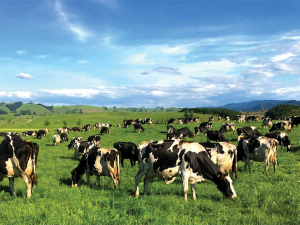
Most dairy regions around the country have had a pretty good season so far says Tracy Brown.
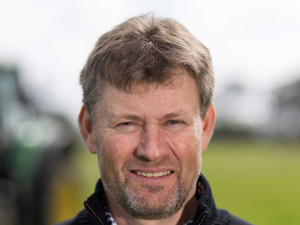
Rural leader Mark Hooper has been appointed as an independent director to the NZPork board, bringing extensive farming, governance and advocacy experience to the role.
Opportunity says its land value tax (LVT) is unlikely to force farmers into a position where asset sales or increased debt are required.
Milk powder prices are keeping farmgate prices up, helping processors offset the dip in milk fat prices.
Climate, nature and animal wellbeing make up Fonterra's refreshed sustainability roadmap released last week.
The Government is introducing a new nationwide rural recycling scheme that will significantly increase the recovery of farm plastics from March next year, Minister for the Environment Nicola Grigg announced today.