Protect your land and take up a buzzing opportunity to earn extra cash.
That's the possibility for landowners in two erosion-prone Waipa river catchments. They are being alerted to the potential to stem erosion on their land and add to farm income by producing prestige manuka honey.
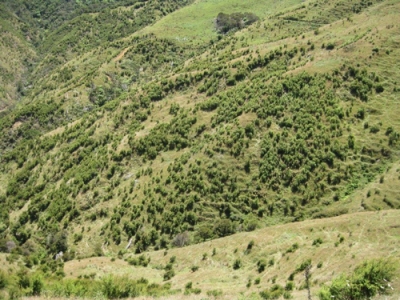
Under a new scheme, involving funding from the Waikato River Authority and Waikato Regional Council, landowners can apply for up to 70% of the cost of planting and associated fencing to stabilise steep slopes in the Kaniwhaniwha and Moakurarua stream catchments. This type of planting helps protect water quality from the effects of sediment and excessive nutrients.
The grant is available for planting various types of tree but the council says one option is for landowners to work with honey companies to make the land available for planting manuka and producing premium manuka honey. This type of arrangement between landowners and honey companies is already happening in other parts of the Waikato and elsewhere in New Zealand.
The council's Waipa zone manager Grant Blackie said such deals could help ensure the health of waterways was better protected and provide a new revenue source to help improve, for example, farm resilience.
"A recent study said that many thousands of hectares of erodible land in the Waipa catchment need to be planted with woody vegetation to help deliver on the Crown-iwi Vision and Strategy for river health.
"The funding for planting provided by the regional council and the Waikato River Authority, and the potential for profitable partnerships with honey companies, will be an incentive for landowners to make the switch," says Blackie.
Farmers and others interested in potential manuka planting could also consider attending a one day event on this topic in Hawera on February 17. Details are available at:
http://business.taranaki.info/content.php/page/manuka16