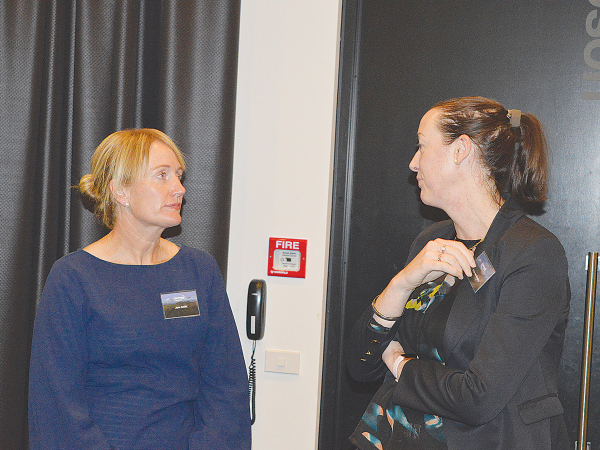
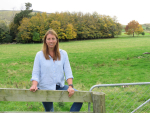
North Otago farmer Jane Smith says He Waka Eke Noa must be scrapped and Beef + Lamb NZ needs to start again with fact this time, not fiction.
She told Rural News that while HWEN was only one area of concern raised at their annual general meeting, it is "certainly a textbook example of how not to represent your levypayers".
Smith says it is positive to see B+LNZ finally 'pausing' to acknowledge that HWEN is not fit-for-purpose and that it deviates unrecognisably from the original 'low level R&D levy' that it was intended to be.
"But having these commendable 'non-negotiables' for HWEN while remaining in the flawed HWEN 'partnership' are in direct conflict to one other.
"The HWEN that they designed simply cannot function under those conditions."
According to Smith, red meat sector groups have an identity crisis. They include meat companies, who are set to lose 1 million stock units/year from 2030 through HWEN's flawed design/
"Are we a global leader or the methane terorrists they have made us out to be?
"They have build an admin-heavy, innovation-light white elephant that requires a heavy burden of farmer money even if methane reductions are made, and they have been made in a major way in the sheep and beef industry.
"B+LNZ and their HWEN bedfellows seem to not understand that pricing emissions and reducing emissions are two vastly different things and [they] appear to believe that pricing ever single biogenic methane emission in perpetuity, using the wrong metrics and without proper measurement of reductions, is the right pathway - when in realisty, this will escalate land use change and increase food prices for all New Zealanders."
Smith says there is nothing heroic or innnovative in that as a solution.
"Our own industry has painted the sector into a political corner with no science in sight.
"The irony is that, should the correct metrics be used, in line with offshore countries that have surpassed NZ in their leadership in the methane space, then all New Zealanders would benefit.
"If all sequestration and methane reductions are properly measured, then New Zealand is more than meeting its global obligations and this wasted money can go into building roads, hospitals, and the education sector.
"That is not a narrative that politicians who are happy to subsidise diesel generators to charge electric cars while destroying the most carbon efficient pasture-raised protein producers in the world want to hear.
"Agriculture is the answer, not the problem."
She says the nine remits passed at the recent B+LNZ annual meeting was a clear indication that B+LNZ directors have taken their own direction on issues on farmers' behald, without doing their homework on the implications for provincial New Zealand first.
"We cannot afford to repeat the mistakes and negligent assumptions that have been made on our behalf over the past three years.
"Now is an opportunity to put said naive positions on the current government's bonfire while it is still hot - then redirect, refocus, rebuild, and listen to grassroots farmers.
"We finally have opposition parties that may be listening to 'great unwashed' farmers such as myself, but they cannot do this officially until we have our levy leaders holding the same stance that is reverberating from the gullies and hills around the provinces."