Southern Dairy Hub Rides Out Wet Southland Winter
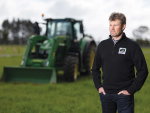
Managing feed by sticking to a firm plan has helped the Southern Dairy Hub (SDH) demonstration farm survive an extremely wet winter, says the farm's acting general manager Greg Delaney.
 increase font size
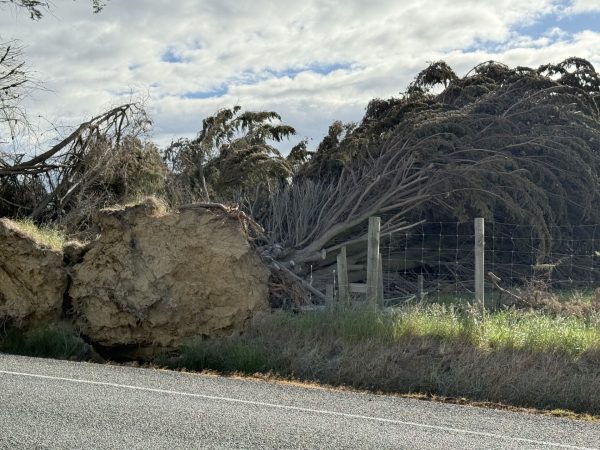
Southland farmers are being urged to put safety first, following a spike in tip offs about risky handling of wind-damaged trees
.
Six weeks after severe storms flattened shelterbelts across Southland, safety concerns are mounting as farmers tackle dangerous cleanup work without proper skills or equipment.
A shortage of experienced contractors has created a perfect storm of risk. Inexperienced workers are taking on hazardous jobs while fatigue climbs and the clean-up drags on.
WorkSafe New Zealand says that in one case, a man fell four metres while using a chainsaw to delimb a partly fallen tree on a farm. He required four hours of surgery after suffering a punctured lung, internal bleeding, and a smashed rib cage. Another worker had a chainsaw smash bone in his foot and cut 90% of the way through a tendon.
There are also reports of tractors being used to rip out storm-damaged trees and risky methods to free stuck chainsaw bars.
“We're seeing good intentions without matching skills, and it's driving dangerous behaviour," says WorkSafe inspector Emma Boyd, who has been responding to immediate danger on farm visits across Southland. Prohibition notices are being issued when unsafe chainsaw or machinery use is identified, unless an immediate fix can be made.
"Storm-damaged trees are loaded with hidden forces that can kill or maim in seconds. These aren't the usual jobs farmers are used to. We know fallen trees are a disruption, but getting injured in the clean-up is far more of a disruption."
WorkSafe's advice is clear: don't DIY with hazardous trees. Use temporary fencing to cordon off dangerous areas and wait until an expert can come to you.
"This isn't routine firewood splitting. Calling in a professional is smart farming, not a sign of weakness," says Boyd.
WorkSafe is particularly concerned about improvised approaches, with unsuitable machinery being pressed into service and workers lacking the specialised gear and training required for storm work.
"Don’t let your enthusiasm to get your farm fully operational again cloud your judgment on what’s safe and what’s not," Boyd warns.
"Your chainsaw and tractor aren't enough for this. Storm-damaged trees behave nothing like standing timber. They're under enormous tension and can move without warning."
"We're seeing dangerous cutting techniques, bars stuck in wood, and trees that have split. Even experienced farmers are being caught out because this clean-up isn't a straightforward job."
Farmers looking for help should take time to check that anyone offering tree clean-up services has the right skills and experience for the job. Contractors returning after time away may need to refresh their training, so it’s best to confirm they’re up to date. Choose contractors with proper chainsaw safety training and wood processing expertise, who know how to deal with trees under tension.
Agriculture is a priority sector for WorkSafe. It was New Zealand’s deadliest industry in 2024, with 14 workers killed.
Managing feed by sticking to a firm plan has helped the Southern Dairy Hub (SDH) demonstration farm survive an extremely wet winter, says the farm's acting general manager Greg Delaney.
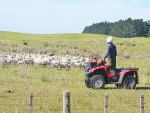
Farmers across parts of Southland and South Otago are continuing to deal with difficult conditions after a prolonged run of wet weather, with pressure building around feed supply, stock management, pasture damage, farm infrastructure and everyday workloads.
In Dacre, near Invercargill in New Zealand’s South Island, Bruce Dinnington is running a dairy operation unlike any other.
OPINION: The stats speak for themselves.
With forecasters advising El Niño conditions will develop through winter and strengthen into spring and summer, Ballance Agri-Nutrients is encouraging farmers and growers to think ahead about nutrient planning and be prepared to work around challenging weather conditions.


Mark Hooper has been appointed the new chair of NZPork, the industry organisation representing New Zealand pig farmers.

As the India-New Zealand free trade agreement enters into force, New Zealand’s apple industry has reaffirmed its commitment to the long-term development of India’s apple sector.
Fonterra shareholders can begin voting on Tuesday 20 October in the 2026 Board of Directors’ election, a Co-operative Council election in one Ward, and seven Annual Meeting resolutions.
National’s pledge to introduce 19 new national standards shows the party is serious about getting Wellington out of farming, Federated Farmers says.
The National Party’s policies to make it easier to grow fresh vegetables, secure reliable water and energy and simplify farm planning are practical changes that will give growers the confidence to invest, according to Horticulture New Zealand (HortNZ).
Fonterra Co-operative Group chief financial officer Andrew Murray has resigned to take up a role outside the dairy giant.