Hawke’s Bay sheep and beef farmers warned to monitor stock water wells
Sheep and beef farmers in Hawke's Bay are being urged to keep a close eye on the wells that supply water to their stock.
 increase font size
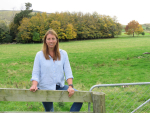
 Hamish Craw says his Banks Peninsula farm has now been in moisture deficit for more than 16 months.
Hamish Craw's farm on the rugged north-east slopes of Banks Peninsula normally carries 3,500 stock units, but it is now down to fewer than 2,000 as the district’s worst drought in decades continues to bite.
Banks Peninsula is one of the worst-hit areas of a drought, which is spreading along the east coasts of both islands.
Craw says his farm has now been more than 16 months in moisture deficit, apart from “a bit of a lucky break” with about 60mm of rain over Christmas. However, this only gave a little short-term relief.
A few light showers in early May have made little difference.
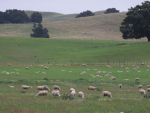
“There’s a tinge of green on the more shady faces but when you look over on the sunny faces it’s still brown,” Craw told Rural News.
His farm totals 420ha in several blocks between Little Akaloa and Okains Bay.
Craw has 1,170 ewes and 60 head of cattle on farm, having sent away his hoggets and cows for grazing, and sold down all his trading cattle. This leaves him well down on stock and having to repurchase when the drought eases.
Craw is preserving what little green he has on his lower slopes by concentrating the remaining stock on a 90ha block of high ground that will be too cold to graze in winter. This will give the lower and warmer slopes the best chance of re-establishing some growth when the rain finally comes.
Like many famers on the Peninsula, Craw is depending on bought-in feed. He is feeding out 675kg of hay and 500kg of grain daily. One truck-and-trailer unit of hay lasts just 23 days.
As the Banks Peninsula drought facilitator for Federated Farmers, Craw is in weekly contact with MPI (Ministry for Primary Industries) and other agencies. He has helped organise farmers into support groups to help with issues such as feed budgeting.
“Everyone is probably aware that their feed budgets don’t look too good going into winter. We have dry [conditions] through May, without real growth; it’s making a big hole in their feed budgets,” Craw told Rural News. “I am aware there’s some people that are finding it pretty difficult.”
He says the important thing is to make sure farmers all keep in contact.
“We’ve had really good support from Banks Peninsula Transport who’ve organised a lot of feed,” Craw says. “They’ve made sure they’ve got barley, baleage and hay stocks on hand, so when farmers ring up, they’ve got them.”
Worse Than Before!
North Canterbury farmers are struggling through "dire drought conditions worse than the previous three year drought," says the province's Rural Support Trust chair, Gayle Litchfield.</p.
There is no sign of any rain coming and it would probably be too late now anyway, she told Rural News.
"Crops that have been planted for winter feed haven't struck. Some farmers are already 80% of the way through their winter feed that they had stored."
The North Canterbury Trust is responsible for an area north of Kaikoura to the Rakaia River. It includes Banks Peninsula, which Litchfield says is the worst affected, with all feed now being brought in.
"There's no reserves on the Peninsula at all because they're into their second year of continuous drought.
"Parts of North Canterbury had some recovery rain and good a good spring and have now gone back into drought, but Banks Peninsula didn't get that. It is definitely the worst, but let's not minimise how bad it is in the North Canterbury area as well."
Sheep and beef farmers in Hawke's Bay are being urged to keep a close eye on the wells that supply water to their stock.

Fears of a serious early drought in Hawke’s Bay have been allayed – for the moment at least.
OPINION: Farmers along the east coast of both islands are being urged to start planning for drought as recent nor'west winds have left soil moisture levels depleted.
As you approach Hastings from the south along SH2, the colour of the west-facing hills are a good indicator of a drought.
New research could help farmers prepare for a future where summer rainfall is increasingly unpredictable and where drought risk is rising, no matter what.


Converting a longstanding cropping farm to dairy was the only way to ensure the land stayed in the family long term, says new dairy farmer Rod May.

As the election heats up, Organics Aotearoa New Zealand (OANZ) has launched its election scorecard designed to help voters wanting to support policies that grow organic and New Zealand's organic sector.
A 'tsunami' of milk from key exporting countries is winding down and this may be good news for New Zealand dairy farmers.
Will the good times last? That's one of the key issues to come out of the latest Federated Farmers confidence survey.
Outgoing Fonterra Co-operative Council chair John Stevenson says that it has been a privilege to represent the co-op's farmer shareholders.
Have a plan in place for your cows and staff.