Seeka Posts Record $62m Profit as Zespri Lifts 2026 Forecast
More signs of a booming kiwifruit sector.
 increase font size
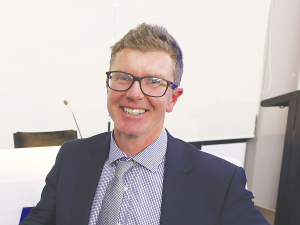
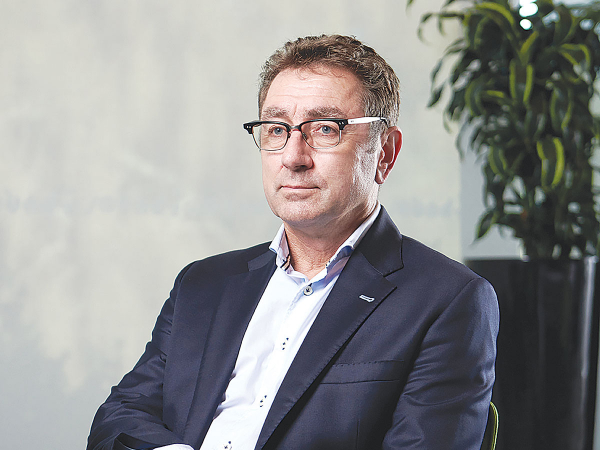 Seeka chief executive Michael Franks says Covid, labour shortage, low fruit volumes and unfavourable weather all dented its half-year results.
A tough six months means produce company Seeka won’t pay an interim dividend to shareholders.
The company says Covid, labour shortage, low fruit volumes and unfavourable weather have all dented its halfyear results.
While revenue was up by 10% to $247.3m, earnings were impacted by increased costs and lower than expected fruit volumes. Gross earnings were down 2.3% to $30m, net profit rose 4% to $21.5m.
Seek chief executive Michael Franks told an investor briefing that the company’s operates in a seasonal business with substantial earnings coming in the first six months associated with harvest in New Zealand and Australia.
Franks says the board and management have reserved the decision to pay an interim dividend.
“We want to see more certainty around the full year earnings,” he says.
“This is prudent given where the industry and Seeka is at.”
The company is forecasting a “challenging second six months” and a full year net profit of between $9m and $11m. Last year the company reported a net profit of $23.5m.
Franks says the company faced a lot of headwinds in the first half of this year.
“It’s been a tough six months for the Group with a backdrop of Covid- 19, adverse weather events, extreme labour shortages, machine commissioning delays, shipping disruption, lower fruit yields and poor fruit quality all impacting performance.
“We have hunkered down, toughed it out and focused on the immediate job of optimising its operations and results in a volatile environment with significant inflationary pressure and geopolitical events affecting key markets.”
New Zealand kiwifruit crop volumes were well down on expectation across the industry.
In 2022, Seeka packed 43.3m trays of kiwifruit, above last year’s combined 40.7m trays.
Hayward volumes were down 24% and SunGold volumes were up 35.2%, both significantly impacted by yield per hectare reductions despite the additional fruit provided by the recent acquisitions.
The company says it has also endured a tight labour market exacerbated by illness.
Franks says loyal personnel, including support staff, were redeployed to “play-out-of position” at peak stress load to ensure the continuity of operations.
At one stage, Seeka was short of more than 1,100 people from its New Zealand seasonal workforce but managed to get through the harvest with an influx of RSE workers from the Pacific Islands.
The cost of labour has increased significantly Seeka competed to recruit staff to fully resource its operations.
Weather also played its part in a challenging harvest.
Late last year a storm in Opotiki destroyed an estimated 2 million trays of kiwifruit crops, while an unseasonably late maturing Gisborne kiwifruit region was then hit with heavy and continuous rain.
Franks says shipping delays disrupted the supply chain to market.
Fruit quality in 2022 was also poor.
More signs of a booming kiwifruit sector.
Seeka chief executive Michael Franks says while it's still early days in terms of the kiwifruit harvest, things are looking pretty good.
Our job is not to panic but to professionally manage our way through this predicament.
Fruit trader Seeka posted a record profit and returns to shareholders in 2025.
Kiwifruit and fresh produce handler Seeka will be bouncing back strongly from a big financial loss in 2023.


LIC shareholders have elected a new North Island representative to the co-operative's Board, along with five representatives to its Shareholder Reference Group (SRG), following the company's Annual Meeting held in Invercargill.
Farmers across parts of Southland and South Otago are continuing to deal with difficult conditions after a prolonged run of wet weather, with pressure building around feed supply, stock management, pasture damage, farm infrastructure and everyday workloads.
Federated Farmers says it welcomes Labour's commitment to reviewing the Sharemilking Agreements Act, calling on other major parties to do the same.
For Canterbury dairy farmers Sian Meijer and Rick Wobben, wearable technology has become one of their most valuable on-farm tools - helping manage 1850 cows across an expansive, high-performing dairy operation while improving efficiency, mating outcomes and day-to-day decision making.
Fonterra has unveiled its annual results for the 2026 financial year, posting $27 billion in revenue and close to $20 billion returned to New Zealand farmer owners and unit holders.
The first major update to the Dairy Cattle Code of Welfare in more than a decade has been released, marking what DairyNZ describes as an important step in ensuring animal welfare standards continue to evolve alongside scientific evidence and on-farm realities.