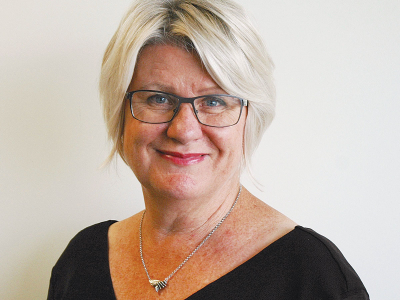
“Women's and babies’ lives are at risk and we want action,” says Penny Mudford, Rural Women New Zealand (RWNZ) national chair.
She was referring to the situation at Lumsden Birth Centre where the birthing unit was downgraded in April to a maternal and child hub. Only four births have since occurred at the hub which is now set up only for emergency births and claimed to have no oxygen or pain-relieving gas available at times.
One baby was born in an ambulance because the midwife was not confident the Lumsden hub would have oxygen available.
RWNZ describes as “disappointing” the news from the Southern District Health Board (SDHB) that there will be two independent reviews into its primary maternity system of care.
“Although it is fine to have a review, something needs to be done now,” Mudford says.
“The problems are highlighted for Lumsden at the moment. But it is really concerning this might set a precedent for other rural areas,” she told Rural News.
“It knocks the confidence of women in rural areas who are having babies.
“We expect in New Zealand that women should not feel uncertain and insecure about having a baby.
“So the example of what has happened at Lumsden knocks some of the public confidence in the health service.”
Mudford says RWNZ is concerned that SDHB is standing firm on Lumsden and it is obvious from what has been happening that its decisions are based on flawed analysis.
“The SDHB is not providing what we would say are proper services for rural women and babies that have maternity requirements in the Lumsden area. They seem to be sticking to their guns in not reversing their decision,” she says.
“And yet we are still getting evidence and [hearing of] events in which women don’t have adequate birthing facilities available to them in that region.”
A couple of petitions are circulating on Lumsden and “Rural Women is supporting both and particularly the second, which says ‘Save Lumsden Maternity – Reverse the Closure’ which would require SDHB to reverse its decision.
“That would be the sensible and pragmatic decision to make in the short term.”
Mudford says it is clear that the Government policy of ‘rural proofing’ has not been used by the SDHB in developing this strategy.
“The Government is committed to rural proofing to ensure the consideration of policies made and the impact on rural communities. This is an example of rural proofing obviously not having been done [and] inadequate analysis of the impact of the decision to take away more health services from rural areas.”
Mudford says RWNZ is not against SDHB’s review but wants action sooner.
“Whilst an unrestricted, all-encompassing and impartial examination of the situation -- especially in the wake of events in Lumsden -- might go some way to reassuring Southlanders that the safety of rural families, mothers and babies is of paramount importance, more focus needs to be on action,” she says.
“The proposed reviews are hampered by specific criteria and neither will provide a much needed overview of the strategy and present situation in Southland.
“Rural communities need access to essential health services, including proper maternity services for rural women and babies.
“RWNZ is as eager as southern New Zealanders to hear the outcome of a petition currently before Parliament’s health select committee seeking retention of the Lumsden birthing unit.”
Parliament is in recess until July 23.
“RWNZ is deeply concerned that the lives of rural women and their families are at risk while the current impasse over maternity services in Southland continues.
“SHDB needs to be held to account before a tragedy occurs.”