Let Farmers Decide What They Farm
OPINION: Well, the silly season is upon us and all us politicians are running around shaking babies and kissing hands, or maybe the other way around.
 increase font size
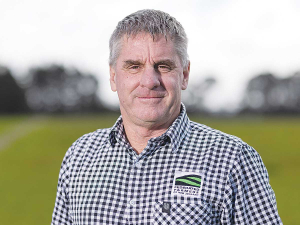
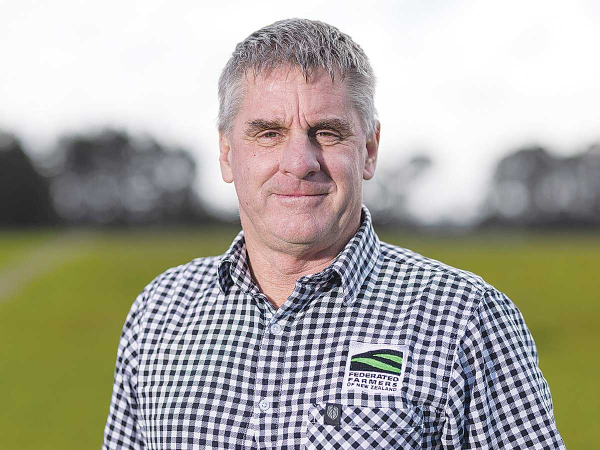 Federated Farmers national president Colin Hurst. Photo Credit: Federated Farmers Facebook Page
Leading figures from the major political parties will be questioned on their primary sector policies at the Rural Issues Debate at Mystery Creek Events Centre, Hamilton, on 30 September.
The debate has been organised jointly by Beef + Lamb New Zealand (B+LNZ), DairyNZ and Federated Farmers, and will be moderated by radio host and columnist Heather du Plessis-Allan.
The panel will feature:
Organisers say the event will be one of the few opportunities to hear directly from all major parties on their vision and plans for rural New Zealand ahead of the general election on 7 November.
B+LNZ chair Kate Acland says the debate provides an opportunity to shine a light on the issues affecting rural New Zealanders.
"We need predictability and certainty to help navigate the turbulent environment that we operate in, not policy swings," Acland says. She says B+LNZ was pleased with progress on reforming the Resource Management Act and on climate change policy, and looked forward to continuing that work with the incoming Government.
Acland says that alongside the priorities outlined in B+LNZ's 2026 Election Manifesto, the organisation wants the next Government to focus on safeguarding and improving market access, and managing supply chain disruptions, to support sheep and beef farmers and red meat exporters through global volatility.
Federated Farmers national president Colin Hurst says farmers need certainty about what the next Government will actually do, rather than further promises.
"This debate is a great chance for politicians to front up to rural New Zealand and explain how their policies will affect the people who feed the country and drive a big part of our economy," Hurst says.
He says farmers would be listening closely to what each party has to say, and expressed hope that politicians would arrive with real detail on what their parties will do, what it will cost, and how it will affect rural businesses.
DairyNZ chair Tracy Brown says the agricultural sector is a major contributor to the economy and rural communities, and that farmers need confidence to invest for the future.
"When farming succeeds, rural communities thrive and New Zealand benefits through stronger exports, jobs and economic growth," Brown says.
Brown says DairyNZ's election priorities call for practical regulation, a strong focus on science and innovation, and policies that enable productivity growth while continuing environmental progress. She says the debate gives farmers a chance to hear how each party would support those outcomes if elected.
With the general election set for 7 November, the Rural Issues Debate is shaping up as a key moment for rural voters to compare the parties' positions on resource management reform, climate policy, market access, regulation and rural investment — all directly ahead of election day.
OPINION: Well, the silly season is upon us and all us politicians are running around shaking babies and kissing hands, or maybe the other way around.

As the election heats up, Organics Aotearoa New Zealand (OANZ) has launched its election scorecard designed to help voters wanting to support policies that grow organic and New Zealand's organic sector.
Will the good times last? That's one of the key issues to come out of the latest Federated Farmers confidence survey.
It was billed as a chance for all the political parties to woo the rural vote, but question marks hang over just how effective this was.
Red meat farmers are welcoming Labour’s plan to review the Emissions Trading Scheme and not to campaign on pricing agricultural emissions.


Leading figures from the major political parties will be questioned on their primary sector policies at the Rural Issues Debate at Mystery Creek Events Centre, Hamilton, on 30 September.
Beef + Lamb New Zealand (B+LNZ) says it welcomes the passage of the Natural Environment Bill and Planning Bill, calling the bills a positive step for sheep and beef farmers.
A spate of southerly winds bringing cold temperatures has presented challenges for Taranaki dairy farmers.
Converting a longstanding cropping farm to dairy was the only way to ensure the land stayed in the family long term, says new dairy farmer Rod May.
As the election heats up, Organics Aotearoa New Zealand (OANZ) has launched its election scorecard designed to help voters wanting to support policies that grow organic and New Zealand's organic sector.