Keep What Works Working: NZ's New Resistance Campaign
New Zealand growers have always adapted to changing conditions, but one challenge is steadily gaining ground across the horticulture sector: resistance.
 increase font size
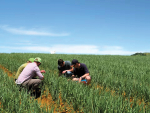
 Researchers found that the ability to cope with adversity, finding new ways of doing things and getting on with the job, were important in how the NZ agriculture sector performed so well during the pandemic. Photo Credit: Kieran Scott
A new report has found that Kiwi ingenuity and a drive to “make it work” were crucial to New Zealand’s primary sector managing the Covid-19 pandemic.
The study was carried out by AgResearch and the New Zealand Institute of Economic Research (NZIER) – along with several science research organisations in New Zealand and Australia.
Some 194 NZ farmers and workers from the agriculture and food systems sector were surveyed online – along with a further 127 Australian farmers and agriculture workers – about the impacts of Covid-19 during the period to June 2020.
Many respondents acknowledged overall negative effects, additional stress and pressure from the pandemic and response. The effects specifically mentioned include reductions in the availability of agricultural inputs and specialised and non-specialised labour. Also mentioned were distribution difficulties, reduced capacity in processing plants, and changes in market demand.
The report found that NZ’s agriculture industry began to feel the impact of the pandemic in late-February and early-March. It states that “the reduction in tourist arrivals substantially affected demand for agricultural products through the restaurant and fast food trade, both of which were shut down.”
Despite the difficulties faced by those in the primary sector, only 47% of New Zealand respondents viewed the effects on their farms or businesses negatively over the period studied. A further 37% said the effect was neutral.
Those interviewed in New Zealand said they also found positives coming out of the pandemic experience, such as opportunities for new markets for their products and increased community appreciation of their sector.
“The term resilience is a buzzword that’s probably a bit overused,” says AgResearch senior scientist Dr Val Snow.
“But it’s clear from our analysis that the in-built ability to cope with adversity through various means, find new ways of doing things and get on with the job, were important in how farmers and their supporting industries performed so well.”
Snow says that while many farmers were already dealing with drought conditions, they were able to manage through the extra difficulties. She adds that relatively high technology use and strong connections in the New Zealand sector also meant the industry was well-placed to respond to the pandemic.
“Although the outlook is more positive now with access to vaccines looming, many of those we heard from expect impacts of the pandemic to linger for some time. We will be interested to see how those impacts change over time, and that is where further research will be valuable.”
Snow told Rural News that there is no reason to think that this resilience would dissipate in 2021.
New Zealand growers have always adapted to changing conditions, but one challenge is steadily gaining ground across the horticulture sector: resistance.
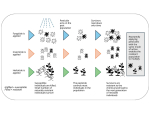
Growers and farmers are being encouraged to have an important conversation before the coming season starts: how to prolong the effectiveness of the crop protection tools they rely on.
OPINION: The Green Party’s rivers and oceans policy may have a new name but nothing else has changed.
Last night saw the winners of the 2026 Beef + Lamb New Zealand (B+LNZ) Awards named at a gala dinner at Te Pae Christchurch Convention Centre.
A significant breakthrough in understanding facial eczema (FE) in livestock brings New Zealand closer to reducing the disease’s devastating impact on farmers, animals, and rural communities.


Farmer-owned fertiliser company, Ballance Agri Nutrients is welcoming National’s plan to negotiate security agreements with key supplier countries to protect New Zealand-bound products from export restrictions and greater supply chain certainty.

Carrfields has announced the appointment of Stu Hall to the newly created role of chief operating officer, Carrfields Ltd, reflecting the continued growth of their agribusinesses and the need to ensure the company has the leadership capacity and support in place as it pursues the emerging opportunities ahead.
New Zealand's role is not to compete with Indian growers, according to NZ Apples and Pears.
The potato industry is celebrating the success of two rising stars - James Blair, the 2026 Young Grower of the Year and runner-up and innovation award winner, Amber Davy.
Twenty-eight emerging leaders from across the horticulture sector spent two days last month learning valuable skills and connecting with industry experts.
There are five entrants in this year’s Young Horticulturist of the Year, competing in a series of technical, practical, business and leadership challenges.