Mark Hooper Joins NZPork Board as Independent Director
Rural leader Mark Hooper has been appointed as an independent director to the NZPork board, bringing extensive farming, governance and advocacy experience to the role.
 increase font size
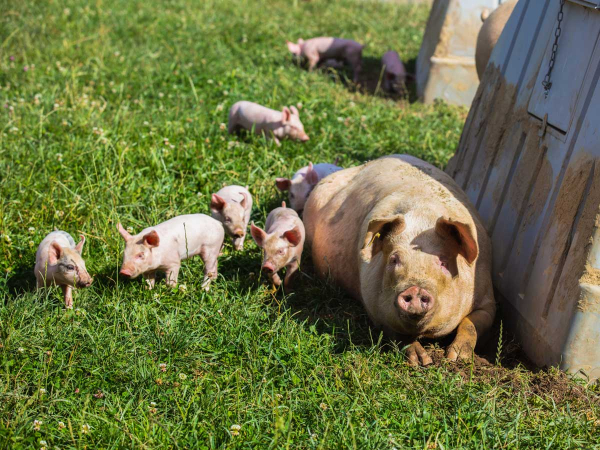 Pork NZ says the country’s pig farming industry relies on experienced workers from overseas to meet a shortfall in staff with the necessary skills required to work with the country’s pig herd.
Pig farmers have joined a growing chorus in the primary sector calling on the Government to urgently review its migrant worker policies in the wake of Covid-19.
Both agricultural contractors and dairy farming organisations have also recently asked for rule changes around migrant workers.
“Each year, New Zealand’s pig farming industry relies on experienced workers from overseas to meet a shortfall in staff with the necessary skills required to work with the country’s pig herd,” explains NZ Pork chief executive David Baines.
He says the pig industry is concerned that skilled migrants already working on pig farms in New Zealand may not have their visas renewed or existing workers trying to return from overseas visits will be blocked, leaving many farmers with significant staffing shortages.
“The sector’s strong preference would be to have a pool of available skilled and unskilled New Zealand workers,” Baines claims.
“However, pig farming is a relatively niche sector in New Zealand and the reality is that there is a significant shortage of New Zealanders applying for these roles.”
He says the pork sector relies on a supply of skilled migrant workers who have been trained in their home countries.
“The numbers in total are small, particularly compared to major industries such as dairy, but the productivity of the industry is very vulnerable because of the precision nature of pig farming.”
Baines says NZ Pork has requested an urgent meeting with the Minister of Immigration Iain Lees-Galloway to discuss the issue.
He says pig farmers have raised concerns that migrant staff may not have their visas renewed this year.
“Or that migrant workers cannot currently enter New Zealand and that existing staff on visas are facing difficulties returning from overseas visits as a result of immigration measures taken in response to the Covid-19 pandemic.”
Baines says other issues include the cost of visas, processing times, a lack of pathway to residency and a lack of consistency from Immigration New Zealand in terms of visa length and conditions.
“While we recognise that Covid-19 has and will continue to leave New Zealanders out of work and hopefully create some opportunities locals who are prepared and willing to work on pig farms,” Baines added.
“The sector cannot wait for such people to perhaps become available. Our animals need continuous skilled and committed care to be provided.”
Rural leader Mark Hooper has been appointed as an independent director to the NZPork board, bringing extensive farming, governance and advocacy experience to the role.

As the cost-of-living crisis continues to put pressure on household grocery budgets, new figures show pork remains one of the most affordable fresh meat options for New Zealand families.
With ethical employment practices a "hot topic" in key markets, Sustainable Winegrowing New Zealand (SWNZ) is strengthening its People Pillar.
OPINION: Farmers have been clear: it is getting harder, not easier, to find and keep good people.
OPINION: The previous government spent too much during the Covid-19 pandemic, despite warnings from officials, according to a briefing released by the Treasury.


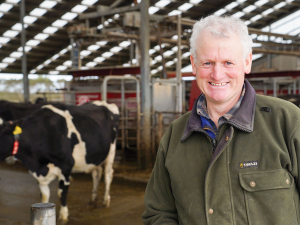
In Dacre, near Invercargill in New Zealand’s South Island, Bruce Dinnington is running a dairy operation unlike any other.

A free online platform aggregating governance vacancies across rural and regional New Zealand has been launched.
Environment Minister Nicola Grigg has announced details of a new rural plastics recycling scheme.
Agricultural drone operators say that a government decision to allow lower-risk drone work without certification won’t lower standards but drive innovation and efficiency.
OPINION: Warning bells are ringing in the arable sector.
Farmgate lamb prices are down by 8%, beef cattle by 4.5% and farm expenditure up by 4.2%.