Seeka Posts Record $62m Profit as Zespri Lifts 2026 Forecast
More signs of a booming kiwifruit sector.
 increase font size
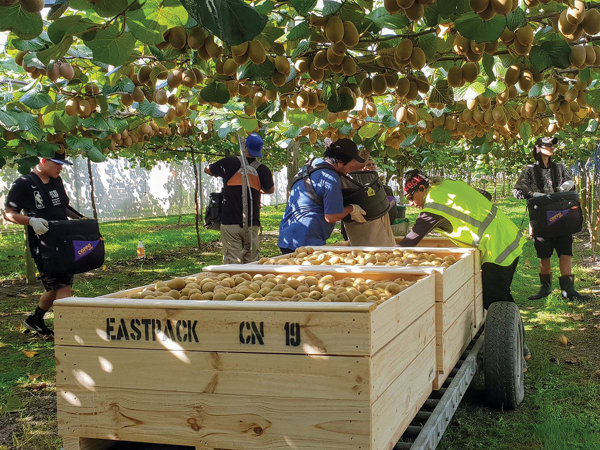 The kiwifruit industry has 24,000 seasonal workers at the peak of the season. Photo Credit: NZKGI Facebook
Where any worker in the kiwifruit industry is mistreated, we expect the authorities to take action.
That’s from Colin Bond, the CEO of NZKGI, the organisation that represents kiwifruit growers. His comments come following another report of migrant exploitation. Reports say two migrant workers were forced to work up to 70 hours a week in Bay of Plenty kiwifruit orchards for low or no pay, and one was made to hand back $1500 in cash under the guise of paying tax.
This was the latest in a series of incidents in the past year where migrant workers in the kiwifruit industry have been exploited.
Bond says they have seen such reports over the past years and his organisation has zero tolerance for such behaviour by employers. He says they would encourage anyone who is aware of any exploitation to report it to the authorities, and would in turn expect them to take action. But he admits in the case of immigrant workers, the situation is tricky because those affected may not be aware of NZ laws or are too afraid to report a problem.
According to Bond, the kiwifruit industry has 10,000 permanent employees and 24,000 seasonal workers at the peak of the season.
“Our hope is that every one of those workers gets treated well and gets a fair day’s pay for a fair day’s work and has a good experience working in the sector,” he says.
Bond says he’s confident that most employers in the sector are good and that staff are well treated.
More signs of a booming kiwifruit sector.

James Blair, an agronomist for AS Wilcox and the Pukekohe regional champion, has won the 2026 Young Grower national title.
Claimed to be the first autonomous robot for New Zealand vegetables growers, the first Kilter AX-1 unit has arrived in the country.
After delivering a strong financial year, rural trader PGG Wrightson says the coming months will depend on customer confidence and weather.
The apple sector is working with the Government to unlock access to two key markets that could bring millions in revenue for apple growers.


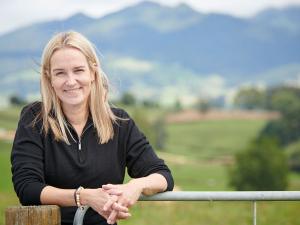
Minister of Conservation Hon Tama Potaka has appointed Susan O'Regan as Chair of the Queen Elizabeth II National Trust (QEII) for a three-year term.
Red meat farmers are welcoming Labour’s plan to review the Emissions Trading Scheme and not to campaign on pricing agricultural emissions.
Where any worker in the kiwifruit industry is mistreated, we expect the authorities to take action.
Mid Canterbury Federated Farmers arable chair, Bevan Lill, said Beef + Lamb NZ data indicated that for the last six years, the average arable return on investment was about 0.8% while inflation ran about 4% - so the average arable farm was going backwards at about 3% a year.
Seed and grain companies share the concerns of arable farmers about the viability of their sector, says Seed and Grain New Zealand chief executive Dr Sarah Clark.
The New Zealand Institute of Forestry (NZIF) says unnecessary changes to New Zealand’s Emissions Trading Scheme (NZ ETS) will seriously erode investor confidence and result in significant reductions in forest planting rates.