Beef + Lamb NZ's Lambing Kit Checklist for a Tough Season
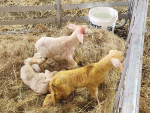
With lambing underway in many regions, Beef + Lamb New Zealand is encouraging farmers to put together a wellequipped lambing kit to help minimise lamb losses, particularly in bad weather.
 increase font size
 NZ sheep numbers are at their lowest since 1943.
New Zealand sheep now tally just 29.8 million – a number not seen since during the Second World War.
Statistics New Zealand figures released earlier this month for the year ended June 2014 show sheep numbers at their lowest since 1943, down almost a million on 2013.
“The number of sheep fell by 3% from 2013,” agriculture statistics manager Neil Kelly said. “The last time the sheep number was below 30 million was back in 1943.”
Canterbury had the sharpest fall, with 255,000 fewer sheep than the year before. Manawatu-Wanganui and Otago are now the largest sheep farming areas, each running 5.3 million.
Meanwhile, dairy cattle numbers rose by about 3% last year, due mainly to increases in numbers in the South Island, says Statistics NZ.
Southland dairy cattle numbers boomed, up 14% on 2013 figures.
But sheep numbers still easily outstripped dairy: with just under 7 million dairy cattle counted at the end of June last year, there were at least four times as many sheep.
With lambing underway in many regions, Beef + Lamb New Zealand is encouraging farmers to put together a wellequipped lambing kit to help minimise lamb losses, particularly in bad weather.
Will a stronger, more coordinated voice help rebuild confidence and improve returns in the wool sector?
A Mid-Canterbury dairy farmer is bringing a millennial mindset to his family farm and is reaping the rewards, with a 50% uplift in milksolids production since he took over.
The vineyards at Pyramid Farm in Marlborough’s Avon Valley have never been run of the mill, with plantings that follow the natural contours of the land, 250 metres above sea level.
Sheep and cattle numbers continue to decline, and this year's drought hasn't helped, according to Beef + Lamb New Zealand (B+LNZ).


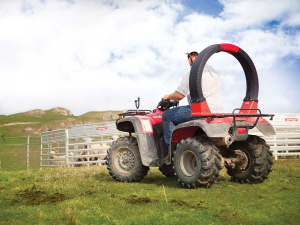
When Northland leather worker Vernon Suckling started making horse saddles 50 years ago, quad bikes and side-by-side vehicles were unheard of.
Alliance Group has confirmed that eligible farmer-shareholders who supply and continue to back the business will receive up to $20 million later this year, following the strategic investment partnership with Dawn Meats.
With a general election under five weeks away, Rural News is asking major political parties about their policies and positions on key issues facing the primary sector. We will run their responses to each question over the next four weeks. The ACT Party and the Greens didn't respond in time.
The red meat sector is in great heart.
Dr Scott Champion, Foundation for Arable Research chief executive, says that everyone in the supply chain had a role to play in driving the sector's long-term success.
Entries opened on Monday, 5 October 2026 for the 2027 New Zealand Dairy Industry Awards (NZDIA), which organisers describe as the nation's biggest celebration of excellence in the dairy sector.