Vets Back Dairy Cattle Code of Welfare Changes: NZVA
Veterinarians say changes to the code of welfare for dairy cattle provides a positive foundation for improved cattle welfare across the country.
 increase font size
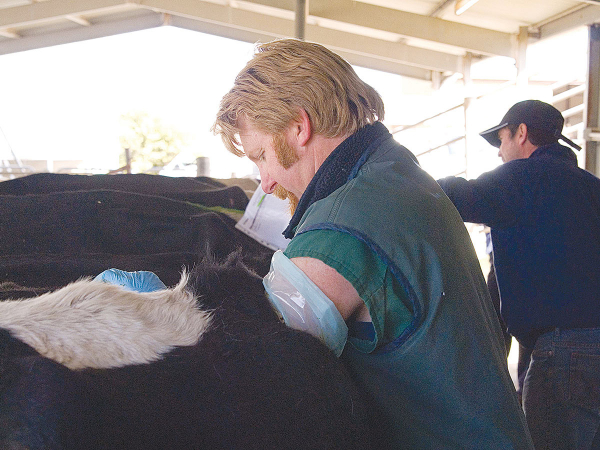 Non-urgent veterinary care will have to be postponed until after Covid-19 alert levels reduce, say NZVA and VCNZ.
While veterinarians are still providing providing care and treatment for animals during lockdown, it’s far from business as usual.
According to the Veterinary Council of New Zealand (VCNZ) and the New Zealand Veterinary Association (NZVA), Covid-19 restrictions have changed how animals, as well as people, receive healthcare.
“Under Alert Level 4 restrictions, veterinarians can only provide care that can’t be postponed,” says VCNZ’s veterinary advisor Dr Seton Butler. “As a result, non-urgent healthcare, routine vaccinations and regular checks need to be postponed until the situation changes.”
Butler says that if people follow Covid-19 rules and stay home, there should be no serious effects on their animal’s health by having routine procedures postponed by a few weeks.
“If you are concerned about delaying an appointment or unsure if your animal needs urgent veterinary care, you should always call your veterinary practice for advice.”
VCNZ and NZVA say they will review their advice as alert levels shift and will keep vets updated.
Veterinarians say changes to the code of welfare for dairy cattle provides a positive foundation for improved cattle welfare across the country.
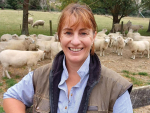
B+LNZ's Wormwise veterinarian Mary Bowron has won the Best Sheep and Beef Vet of the Year Award in recognition of her outstanding contribution to New Zealand’s sheep and beef sector.
OPINION: The previous government spent too much during the Covid-19 pandemic, despite warnings from officials, according to a briefing released by the Treasury.
OPINION: Labour leader Chris 'Chippy' Hipkins is carrying on the world-class gaslighting of the nation that he and his cohorts started after their disastrous Covid response; now trying to undermine the Covid inquiry to protect his own backside.
OPINION: Did former PM Jacinda Ardern get fawning reviews for her book?



Fonterra Co-operative Group chief financial officer Andrew Murray has resigned to take up a role outside the dairy giant.
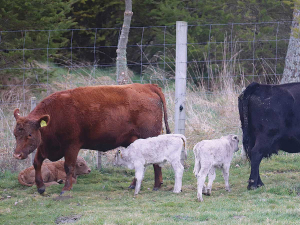
A major move is about to get underway to improve the quality and viability of dairy beef and cattle in NZ.
Veterinarians say changes to the code of welfare for dairy cattle provides a positive foundation for improved cattle welfare across the country.
Today, 15 October, is the International Day of Rural Women, which recognises rural women’s contribution to farming, communities and the environment.
Global dairy giant Lactalis has integrated its Australian operations with the Mainland Dairy consumer business it acquired from Fonterra earlier this year.
High country stations, mixed sheep and beef farms, Māori-owned farms, corporates and family operations are among the nine commercial farms taking part in the Livestock Innovation Farming Transformation programme, known as LIFT.