Four Candidates Confirmed for Fonterra Board Election
Four candidates have been confirmed for two director positions on Fonterra’s board.
 increase font size
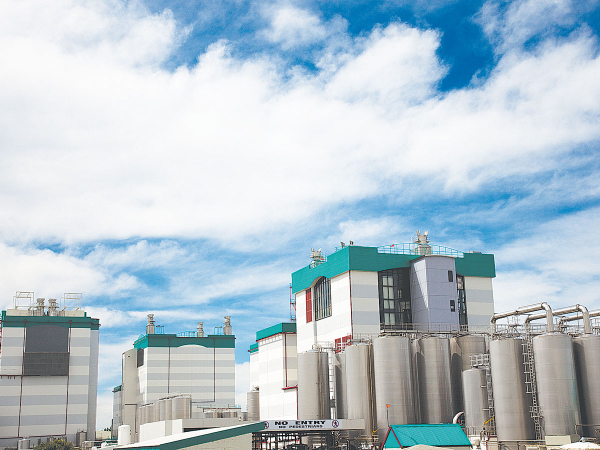 Fonterra’s new electrode boiler at Edendale site will reduce emissions by around 20% or 47,500 tonnes of carbon dioxide equivalent per annum.
Fonterra is installing a $36 million 20-megawatt electrode boiler at its Edendale site in Southland, as the co-op moves away from coal.
The electrode boiler will reduce the Edendale site's emissions by around 20% or 47,500 tonnes of carbon dioxide equivalent per annum - the equivalent of taking almost 20,000 cars off NZ roads.
It will also help reduce Fonterra's overall carbon emissions from its NZ 2018 baseline by nearly 3% per annum once operational in 2025-26.
Fonterra says the investment is another step for the co-operative as it works to get out of coal by 2037 and reduce Scope 1 and 2 emissions by 50% by 2030 (from 2018 baseline).
Fonterra acting chief operating officer Anna Palairet says the team considered a number of energy options before deciding on the electrode boiler.
"Fonterra has a complex manufacturing operation spanning the country.
"As technologies develop, it's important we continually assess which energy source and technology is best for each site.
"With up to 15 million litres of milk being processed at our Edendale site each day, we need to ensure we have a secure energy supply that can meet processing demands."
Cost is also an important consideration.
Palairet says getting out of coal requires significant investment and the co-op needs to choose the best option that reduces emissions and operational complexity while also doing what's best for farmer shareholders.
Fonterra is partnering with Meridian Energy for the electricity supply who generate electricity from 100% renewable resources - wind, water, and sun.
Four candidates have been confirmed for two director positions on Fonterra’s board.
A record farmgate milk price and strong global demand is laying the foundation for continued growth of organic dairy farming in New Zealand.
Waikato milk processor Tatua has again declared a record milk payout to farmer shareholders, leaving other processors in the dust.
Fonterra has unveiled its annual results for the 2026 financial year, posting $27 billion in revenue and close to $20 billion returned to New Zealand farmer owners and unit holders.
Fonterra Co-operative Group has confirmed the independently assessed candidates standing for election to its board in 2026.


A major move is about to get underway to improve the quality and viability of dairy beef and cattle in NZ.
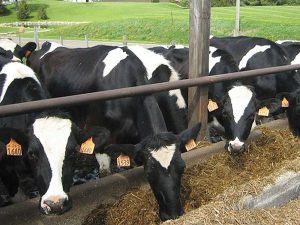
Veterinarians say changes to the code of welfare for dairy cattle provides a positive foundation for improved cattle welfare across the country.
Today, 15 October, is the International Day of Rural Women, which recognises rural women’s contribution to farming, communities and the environment.
Global dairy giant Lactalis has integrated its Australian operations with the Mainland Dairy consumer business it acquired from Fonterra earlier this year.
After almost two decades of sharemilking, saving and building equity, Aaron and Marcia Flay this year realised their long-held dream of settling on their first dairy farm.
Good medium to long term prospects for NZ beef, especially in the US, has heighted the focus on various initiatives to capitalise on this situation.