Award-winning Māori farm severely damaged by isolated Northland thunderstorm
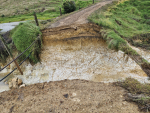
One of the country's top Māori farms has been badly damaged by a severe isolated thunderstorm which hit parts of the east coast of Northland last week.
 increase font size
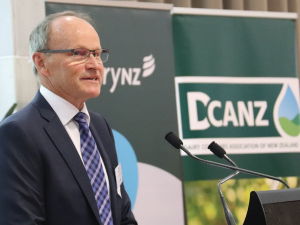
 PM Bill English speaking at the Ahuwhenua Awards dinner.
Prime Minister Bill English says in most regions Maori now have the potential to become the largest long-term investors.
People are starting to realise Maori are not fly-by-night investors, he says. They are in business – farms, commercial buildings, investments -- for the long haul.
English said this at an event celebrating the award of the Ahuwhenua Trophy for the top Maori sheep and beef farm, this year won by the Omapere Rangihamama Trust farm, near Kaikohe.
He praised the awards, saying that 20 years ago few people would not have known much about Maori farming. But now the prominence of the Ahuwhenua Trophy has generated huge interest in Maori farming among agribusiness people and news media.
“[Ahuwhenua] works tremendously well in projecting a positive outlook for Maori business,” English said. “It’s changing the perception of Maori in NZ and it’s [encouraging Maori to think] that this is the way ahead. Enterprise, investment, running your own ship: that is how you’re going to get ahead. Waiting around for the government to fix it is not going to work.”
English says the awards are also helping to develop a unique culture within Maori whereby they are benchmarking their farms. Some are large enterprises able to do their own product and genetic development.
“That is a lesson to the rest of us who came through a system of single ownership where you don’t have the depth or scale to do that.”
English applauds Maori diversifying into horticulture, beyond their once-traditional sheep and beef and dairy farming.
“Maori are using their strength to diversify, especially in horticulture which is turning out to be among our faster growing industries.
“It’s great to see kiwifruit showing up in places where no one has grown it before and to see the apple industry expanding with Maori participation.
“It’s been fantastic to see the enthusiasm and the sheer joy for the winners Omapere out of Kaikohe. That’s a part of the country where there are real challenges.”
English also praised the winner and the other two finalists in the Young Maori Farmer of the Year competition. He says developing young people as role models to inspire other young people to make a career in agriculture is vital for the future of Maori farming.
One of the country's top Māori farms has been badly damaged by a severe isolated thunderstorm which hit parts of the east coast of Northland last week.

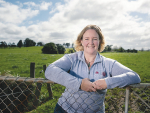
Coby Warmington, 29, a farm manager at Waima Topu Beef near Hokianga was named at the winner of the 2025 Ahuwhenua Young Maori Farmer Award for sheep and beef.
Recently two of New Zealand's top Maori sheep and beef farms held field days as part of the prestigious Ahuwhenua Trophy competition. The two are: Whangaroa Ngaiotonga Trust, northeast of Whangarei, and the proprietors of Tawapata Onenui farm on Mahia Peninsula in southern Hawke's Bay. Reporter Peter Burke attended both field days.
Farms from Northland and northern Hawke's Bay are the finalists in this year's Ahuwhenua Trophy competition for the top Māori sheep and beef farms.
The search is on to find the top Māori sheep and beef farm with entries now open for the 2025 Ahuwhenua Trophy competition.


Dairy processors are ready to further boost New Zealand’s export earnings but want the incoming government to match their ambition with good policy.

Massey University is best placed to solve the “problems” facing the dairy industry, says vice chancellor, Pierre Venter.
Synlait's longest serving employee – a man who joined the Canterbury-based milk processor even before it began processing milk – is now its newest executive.
A dairy industry leader believes eradicating the common and costly disease, Bovine Viral Diarrhoea (BVD) is within reach.
A farmgate milk price of $10/kgMS this season is firming up as milk powder prices soar and the New Zealand dollar weakens.
Federated Farmers has welcomed new rural policies released by ACT, saying they align closely with its own election priorities.