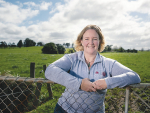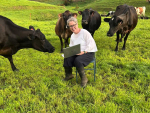
International Day of Rural Women: Two DairyNZ Farmers’ Stories
Today, 15 October, is the International Day of Rural Women, which recognises rural women’s contribution to farming, communities and the environment.
 increase font size
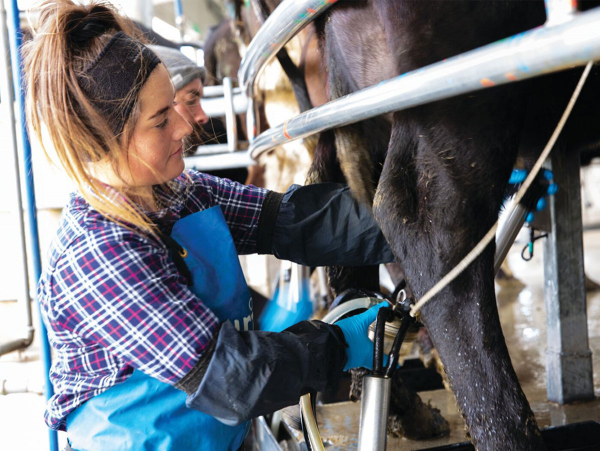 DairyNZ have provided advice, tools and resources to support dairy farmers in keeping their teams safe during lockdown.
DairyNZ has developed advice, tools and resources to support dairy farmers and their teams to farm safely during the Covid lockdown.
It urges farmers to keep themselves and their employees safe at milking during COVID-19 with the following tips:
"We know from medical professionals that Covid-19 stays on surfaces for at least 72 hours and is transferred via droplets. This means that we have to be extra vigilant with the hygiene of our shared work surfaces, and that we must maintain a distance of two metres from others to minimise its spread over the next four weeks of lockdown.
"Traditionally, and especially in our herringbone milking platforms, we worked closely together and with no disinfection of our surfaces. To keep everyone safe, we now need to make changes to how we milk."
What can you do to help keep your employees and yourself safe?
Tips for working together while milking
Today, 15 October, is the International Day of Rural Women, which recognises rural women’s contribution to farming, communities and the environment.
The first major update to the Dairy Cattle Code of Welfare in more than a decade has been released, marking what DairyNZ describes as an important step in ensuring animal welfare standards continue to evolve alongside scientific evidence and on-farm realities.
Have a plan in place for your cows and staff.
DairyNZ deputy chair Cameron Henderson has been re-appointed unopposed for another term.
OPINION: The stats speak for themselves.


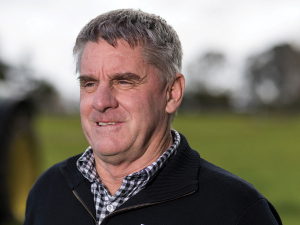
Federated Farmers has welcomed new rural policies released by ACT, saying they align closely with its own election priorities.

Rural Contractors NZ says proposed changes to land transport rules for agricultural vehicles are a welcome response by the Government to out of date regulations which have seen members hit with huge fines.
Alliance is calling for final applications for its 2027 Graduate Programme, with applications closing on Sunday 25 October.
Decades piloting planes has ensured vet and farmer David Hayes is focused on safety. So, after a serious accident while welding on farm, he is sharing his experience so others can learn from it.
Canterbury milk processor, Synlait Milk has confirmed Leon Fung as its chief executive officer.
OPINION: Making it easier to collect rainwater and use it to grow crops and livestock is a no brainer.