M.I.A.
OPINION: The previous government spent too much during the Covid-19 pandemic, despite warnings from officials, according to a briefing released by the Treasury.
 increase font size
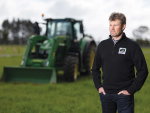
 New Zealand Airline Pilots’ Association (NZALPA) medical and welfare director, Andy Pender.
An airline pilot may soon be landing in a paddock near you, driving a harvester.
New Zealand pilots, made redundant following the abrupt border closures triggered by Covid-19, are eying driving jobs in the agriculture sector.
With rural contractors having little success in getting government approval to bring in at least 206 overseas drivers, these pilots could provide some relief.
New Zealand Airline Pilots’ Association (NZALPA) medical and welfare director, Andy Pender says it has been working with Ministry of Primary Industries and Rural Contractors of NZ for several months to match pilot expertise with the immediate needs of the agricultural sector.
Pender told Rural News that nearly 500 NZ pilots have either lost their jobs or are in furlough: most are redeploying themselves to other sectors.
He says driving large machinery in the agriculture sector would be a great fit for pilots, who are used to working long hours and operating large and expensive machines.
“We know how to work under pressure and we aren’t daunted by big machines….we have been operating machines that weigh 250 tonnes,” he says.
Some pilots are serious about making a career change, driving large agricultural machinery and are undergoing training before applying for a Level 1 and 2 licences, required to drive large ag machinery.
Pender, who used to fly for Virgin, is scheduled to undergo training this month.
He says the association is working with training providers.
The association has matched skills and the New Zealand Transport Agency (NZTA) licences pilots already hold.
Pender says they found almost 200 opportunities for pilots to put their skills to use with land-based machinery and do their bit for New Zealand’s essential agriculture economy.
RCNZ chief executive Roger Parton contacted his national membership alerting them to surveys NZALPA had taken of its members to identify transferable skills that, with some extra training, could result in pilots helping to fill some of the gaps many growers and exporters now face.
Parton says these pilot surveys indicated a significant number who, in addition to considerable flying expertise and qualifications, also held land transport licences class 2 or higher, with specific NZTA category endorsements.
Some have also had previous agricultural large machinery operating and farming experience.
Pender says the pilots are determined to apply their training to where it is needed, pick up additional skills and make the most of new opportunities.
OPINION: The previous government spent too much during the Covid-19 pandemic, despite warnings from officials, according to a briefing released by the Treasury.
OPINION: Labour leader Chris 'Chippy' Hipkins is carrying on the world-class gaslighting of the nation that he and his cohorts started after their disastrous Covid response; now trying to undermine the Covid inquiry to protect his own backside.
OPINION: Did former PM Jacinda Ardern get fawning reviews for her book?
OPINION: Welcome to the second annual NZ Dairy Expo at Matamata – an event created to bring together the best of the New Zealand dairy industry in a focused, grassroots environment where dairy farmers and rural professionals can meet, talk, compare products, and make smart decisions for their farms.
It's a bloody tough year for sheep farmers, but the worst may be over, and the future looks optimistic.



Fonterra Co-operative Group chief financial officer Andrew Murray has resigned to take up a role outside the dairy giant.
A major move is about to get underway to improve the quality and viability of dairy beef and cattle in NZ.
Veterinarians say changes to the code of welfare for dairy cattle provides a positive foundation for improved cattle welfare across the country.
Today, 15 October, is the International Day of Rural Women, which recognises rural women’s contribution to farming, communities and the environment.
Global dairy giant Lactalis has integrated its Australian operations with the Mainland Dairy consumer business it acquired from Fonterra earlier this year.
High country stations, mixed sheep and beef farms, Māori-owned farms, corporates and family operations are among the nine commercial farms taking part in the Livestock Innovation Farming Transformation programme, known as LIFT.