The Royal New Zealand College of General Practitioners (the College) and Hauora Taiwhenua Rural Health Network are calling for investment in a proposed new training pathway for rural GPs, warning that many rural practices are struggling to recruit while a large share of the existing workforce nears retirement.
The two organisations say strengthening the rural GP workforce is one of the most effective ways to improve access to care and reduce long-standing health inequities, which they say fall hardest on rural Māori.
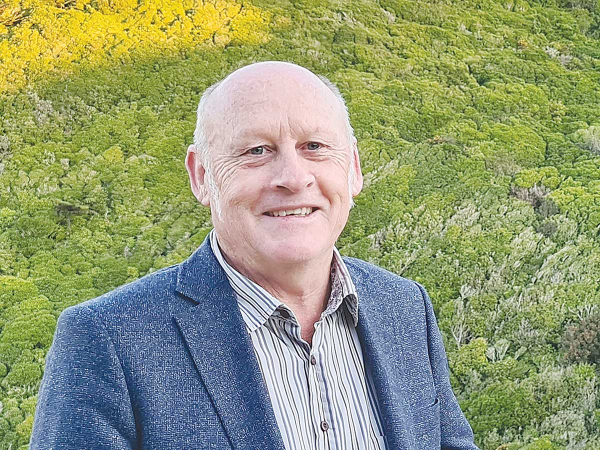
College President Dr Luke Bradford said rural GPs are highly skilled generalists working across a broad scope of practice.
"We know rural communities experience poorer health outcomes and greater barriers to accessing healthcare. Strengthening the rural GP workforce is one of the most effective ways to improve access, reduce inequities and ensure people receive the care they need, when they need it," he said.
"This is not simply a workforce issue. It is about ensuring rural New Zealanders have equitable access to high-quality healthcare."
A review published in the New Zealand Medical Journal draws together three decades of New Zealand research on rural medicine.
According to the College, it identifies repeated calls over that period for rural-specific postgraduate training and points to the role dedicated training pathways can play in supporting rural medical careers.
In response, the College has developed GP Rural, a proposed postgraduate pathway sitting within its existing General Practice Education Programme.
The pathway is intended to give registrars sustained preparation for rural practice and to support broader rural medical career development as rural health services change.
Hauora Taiwhenua Rural Health Network Chief Executive Dr Grant Davidson said the network already invests in encouraging young people into health careers, but doctors working at the top of their scope in rural areas need specific training.
"A dedicated Rural GP Training Pathway would give them the skills, experience and confidence they need to build sustainable careers in rural communities," he said. "Rural communities cannot afford to wait for the workforce gap to grow further."
College Chief Executive Toby Beaglehole described GP Rural as a practical opportunity to support the future workforce.
"GP Rural would prepare doctors for the realities of rural practice and support more of them to build long-term careers in rural communities," he said.
"Workforce shortages cannot be solved overnight. Long-term progress requires sustained commitment and collaboration across the health system."
The College and Hauora Taiwhenua are encouraging continued investment in rural medical workforce development, saying GP Rural could make a meaningful contribution alongside a more integrated approach to rural medical training and career development.