India FTA Unites NZ First, Greens
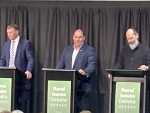
National’s much-touted free trade deal with India featured in the Rural Issues Debate at Mystery Creek, Hamilton on Wednesday night.
 increase font size

LABOUR'S TRADE AND Defence spokesperson, Phil Goff, held discussions with US TPP chief negotiator, Barbara Weisel, during a week-long visit to the United States.
Goff says he has worked with Weisel in the past. "With TPP negotiations at critical point, the visit was an opportunity to be briefed on the state of those negotiations and to press New Zealand's interests and concerns," Goff says.
The visit included meetings at the Department of State, Defence, and the Office of US Trade Representative. He also held discussions at Congress and with New Zealand exporters, US businesses, and independent trade experts.
"New Zealand's bottom lines in a TPP include removing obstacles to New Zealand trade in agriculture and other goods and services in key markets like Japan, Canada, the US, and Mexico," says Goff.
"Attempts to achieve bilateral free trade agreements with these countries have previously failed because New Zealand is a small market which has already removed most tariff and other barriers.
Agricultural interest groups in each of those countries fear the impact of freeing-up entry to NZ's efficient agricultural exporters."
Goff says the general view in Washington is that the TPP will be concluded, but that that is by no means guaranteed. "Changes requiring free market access for agricultural goods represent a huge change for countries like Japan and Canada and necessary concessions may only be made in the last round," he says.
"In the US itself, the passage of a Trade Promotion Authority and voting up of the ultimate TPP treaty will require active intervention by the President in order to be passed by a majority vote, including some in a reluctant Democrat caucus.
"New Zealand has critical defensive issues to be protected in the last stages of the negotiation, but also huge gains in export income and jobs from access to markets including government procurement contracts if it succeeds," Goff says.
National’s much-touted free trade deal with India featured in the Rural Issues Debate at Mystery Creek, Hamilton on Wednesday night.
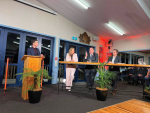
It was billed as a chance for all the political parties to woo the rural vote, but question marks hang over just how effective this was.
Red meat farmers are welcoming Labour’s plan to review the Emissions Trading Scheme and not to campaign on pricing agricultural emissions.
For the first time in a quarter of a century, Federated Farmers has something positive to say about the Labour Party’s climate change policy leading into a general election.
Opportunity says its land value tax (LVT) is unlikely to force farmers into a position where asset sales or increased debt are required.


Federated Farmers has welcomed new rural policies released by ACT, saying they align closely with its own election priorities.
Rural Contractors NZ says proposed changes to land transport rules for agricultural vehicles are a welcome response by the Government to out of date regulations which have seen members hit with huge fines.
Alliance is calling for final applications for its 2027 Graduate Programme, with applications closing on Sunday 25 October.
Decades piloting planes has ensured vet and farmer David Hayes is focused on safety. So, after a serious accident while welding on farm, he is sharing his experience so others can learn from it.
Canterbury milk processor, Synlait Milk has confirmed Leon Fung as its chief executive officer.
OPINION: Making it easier to collect rainwater and use it to grow crops and livestock is a no brainer.