NZ Beef’s US Opportunity and the Dairy Beef Initiative
Good medium to long term prospects for NZ beef, especially in the US, has heighted the focus on various initiatives to capitalise on this situation.
 increase font size

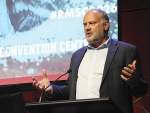
Sheep productivity has improved against a background of a massive drop in stock numbers since 1990, says Beef + Lamb NZ chief economist Andrew Burtt.
Speaking at the Red Meat Sector Conference in Nelson last week Burtt noted that ewe lambing performance had jumped from 100% to 123% and lamb weight had climbed 27% from 14.35kg/head in 1990 to 18kg/head in 2014-15.
Lamb sold in 1990-91 was 9.76kg/ewe; this has jumped 90% to 18.53kg/ewe last season.
At the same time, sheep numbers had dropped almost 50%, from 60 million to 30m.
Beef cattle numbers fell 20%, from about 44m to 40m; dairy cow numbers jumped 95% to nearly 7m.
Burtt told Rural News sheep industry productivity has done very well, “especially when one considers sheep and beef farming has been squeezed from ‘below’ (best land going to dairying, housing/lifestyle, viticulture, horticulture, etc) and from ‘above’ (conservation estate, forestry in hard country) therefore pushing it more into the hills.”
He attributes the productivity improvements to farmers adopting a wide range of “technologies” -- breeding animals, better pasture species and better management of livestock feed/feed conversion.
Also helping productivity is farmers’ focus on delivering lambs at the right times in response to customer (processing and exporting companies) price signals that reward good specification and desired weights.
Good medium to long term prospects for NZ beef, especially in the US, has heighted the focus on various initiatives to capitalise on this situation.
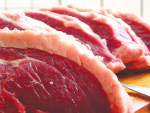
OPINION: There could hardly be a more appropriate theme for a conference than the one chosen by the red meat sector - Navigating Volatility.
With lambing underway in many regions, Beef + Lamb New Zealand is encouraging farmers to put together a wellequipped lambing kit to help minimise lamb losses, particularly in bad weather.
Will a stronger, more coordinated voice help rebuild confidence and improve returns in the wool sector?
Matt McRae, a farmer from Mokoreta in Southland who runs a sheep, beef and dairy support business alongside a sheep stud, has been elected to the Beef +Lamb NZ Board as a farmer director.


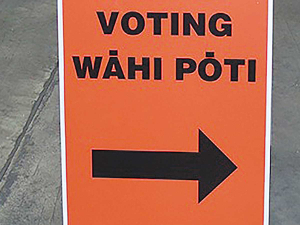
OPINION: As election day looms, rural NZ seems to have pressed the pause button – held somewhat in limbo on an orange light.
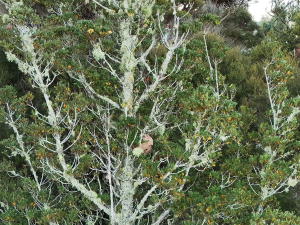
Will drones be the answer to tackling the problem of wasp and hornet nests high up in trees and other inaccessible places?
Canterbury milk processor Synlait has come through tough times and is now ready to scale up from a stable base, says its newly confirmed CEO Leon Fung.
NZPork says a ham made in New Zealand is not necessarily made from New Zealand pork.
Rural Contractors NZ says proposed changes to land transport rules for agricultural vehicles are a welcome response by the Government to out-of-date regulations which have seen members hit with huge fines.
With New Zealand’s greenhouse gas emissions in the spotlight, Auckland scientist Nathan Balasingham says there’s a better way to tackle the problem than shrinking cow numbers or fertiliser usage.